
Why Is Post-Surgical Rehab Needed for Full Recovery?

Post-surgical rehabilitation is the structured process of rebuilding strength, restoring movement, and preventing complications after surgery. Without it, your body cannot fully recover on its own. Surgery repairs the problem, but rehab restores your function. The two work together, and skipping one makes the other incomplete. If you are asking why is post-surgical rehab needed, the answer is straightforward: your muscles, joints, and nervous system all need guided retraining after any surgical procedure, whether that is a knee replacement, abdominal surgery, or cancer resection.
Why is post-surgical rehab needed: core benefits for recovery
Post-surgical rehabilitation, also called postoperative physical therapy, addresses three core goals that surgery alone cannot achieve. According to the regenerative rehab framework, these goals are Reactivate, Recalibrate, and Release. Reactivate means rebuilding muscle strength. Recalibrate means restoring joint movement and balance. Release means reducing pain and stiffness through targeted therapy.
Here is what structured rehab delivers for your recovery:
Muscle reactivation: Pain and swelling after surgery directly inhibit muscle activation, making it impossible to simply “walk it off.” Rehab uses guided exercises and edema management to restore normal muscle firing patterns.
Joint mobility: Without movement therapy, scar tissue forms and joints stiffen. Rehab prevents this by keeping tissue pliable and joints moving through their full range.
Pain reduction: Mobilization and manual therapy techniques reduce postoperative pain more effectively than rest alone. Movement promotes circulation and reduces the inflammatory response.
Complication prevention: A 2026 meta-analysis found that comprehensive perioperative rehab reduced postoperative pneumonia risk by 66% in esophageal cancer patients. That is a dramatic reduction tied directly to structured rehabilitation.
Functional independence: Rehab restores your ability to perform daily tasks, from climbing stairs to getting out of a chair, safely and without pain.
Pro Tip: Start asking your surgeon about rehab before your operation date. Patients who understand their postoperative plan in advance tend to follow through more consistently and recover faster.
The importance of post-surgery rehab goes beyond comfort. It directly determines how fully you recover and how quickly you return to normal life.

How does early mobilization improve rehabilitation outcomes?
Early mobilization means getting your body moving within the first 24–48 hours after surgery, under professional supervision. This is not about pushing through pain. It is about preventing the physical decline that sets in rapidly when the body stays still after a procedure.
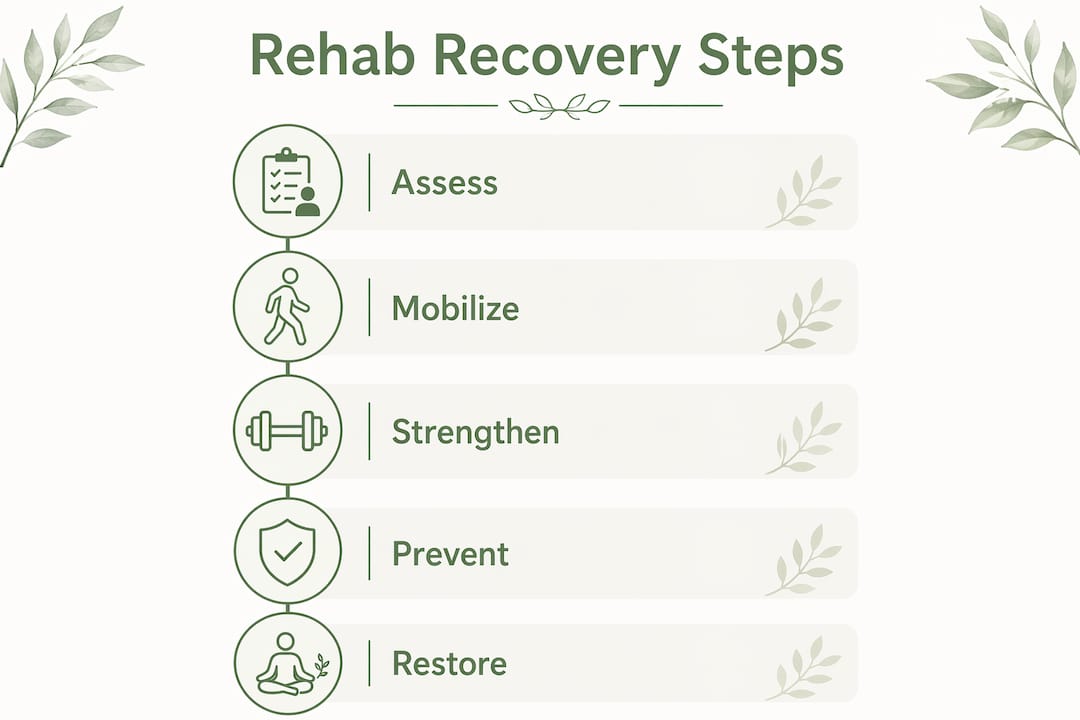
The evidence for early movement is strong. Enhanced Recovery After Surgery (ERAS) protocols, which include structured early mobilization, have been shown to reduce overall complications by 37% and shorten hospital stays by over 3 days in elderly abdominal surgery patients. That data comes from a meta-analysis of 2,397 patients. The implication is clear: moving sooner produces measurably better outcomes.
A staged mobilization plan typically follows this sequence:
Day 1 after surgery: Supervised sitting up, deep breathing exercises, and gentle limb movements to prevent blood clots and maintain circulation.
Days 2–3: Assisted standing and short walking sessions with a physical therapist. Balance and weight-bearing begin here.
Week 1–2: Progressive walking distance, range-of-motion exercises for the affected joint or region, and light functional tasks.
Weeks 3–6: Strength training, coordination work, and activity-specific exercises tailored to your daily life and goals.
A randomized controlled trial confirmed that staged mobilization protocols improve physical activity levels and functional independence after abdominal surgery. Patients reached their mobility goals faster, even when hospital stay length remained unchanged. That finding matters because it shows rehab improves what counts most: your ability to function independently.
Pro Tip: Ask your physical therapist to set specific daily mobility goals rather than vague targets like “walk more.” Concrete goals, such as walking 200 feet twice a day, give you something measurable to work toward.
Understanding how physical therapy accelerates recovery helps you see why timing is not optional. Every day of inactivity after surgery costs you recovery time.
Why does rehab prevent joint stiffness and arthrofibrosis after knee surgery?
Arthrofibrosis is the formation of excess scar tissue inside a joint that restricts movement. It is one of the most serious complications after total knee arthroplasty (TKA), and delayed rehabilitation is a primary cause. The window for effective non-surgical intervention narrows as scar tissue matures, which means waiting is not neutral. Waiting is harmful.
Research on TKA rehabilitation strategies confirms that early and prompt range-of-motion exercise after knee replacement reduces the risk of arthrofibrosis and permanent motion loss. Waiting the traditional 12–16 weeks before beginning aggressive motion work is now considered detrimental by current clinical standards.
Here is how early rehab protects your knee joint:
Passive range-of-motion therapy begins within days of surgery to keep the joint moving before scar tissue can organize.
Manual therapy and joint mobilization break down early adhesions before they harden into permanent restrictions.
Edema control through compression, elevation, and ice reduces swelling that limits movement.
Objective motion tracking allows your therapist to detect early loss of range and intervene before it becomes irreversible.
Approach | Timing | Outcome |
Early rehab (within 48–72 hours) | Days 2–3 post-surgery | Reduced arthrofibrosis risk, better range of motion |
Delayed rehab (12–16 weeks) | Weeks 12–16 post-surgery | Higher stiffness risk, potential permanent motion loss |
Many patients underestimate how quickly scar tissue forms. Within the first few weeks after knee surgery, the tissue inside the joint is actively remodeling. That is your best window for intervention. Missing it means a much harder recovery path ahead.
Pro Tip: If your knee feels significantly stiffer at week 3 than it did at week 1, contact your physical therapist immediately. Early detection of motion loss is far easier to treat than established arthrofibrosis.
Your step-by-step rehab guide after injury can help you understand what normal progress looks like versus warning signs that need attention.
How do rehab programs differ for older or frail patients?
Frailty changes everything about surgical recovery. Older adults and frail patients have less physiological reserve, meaning their bodies have less capacity to bounce back from the stress of surgery without structured support. A standard rehab protocol designed for a healthy 45-year-old does not translate directly to a 75-year-old with multiple health conditions.
A 2026 meta-analysis on perioperative rehab for frail elderly patients found that multicomponent exercise rehabilitation decreased postoperative complications by 28% and improved six-minute walk distance by 26.7 meters. That improvement in walking distance reflects a real gain in daily function and independence. For an older adult, that difference can mean staying at home versus needing assisted living.
Effective rehab programs for older adults include:
Physical therapy focused on balance, gait training, and fall prevention alongside strength work.
Occupational therapy to restore the ability to perform daily tasks like dressing, cooking, and bathing safely.
Nutritional support because muscle rebuilding requires adequate protein and caloric intake, which many older patients do not get automatically.
Cognitive and motivational support since older patients are more likely to disengage from rehab when progress feels slow or painful.
Rehab Component | Purpose for Frail Patients |
Balance and gait training | Reduces fall risk during recovery |
Occupational therapy | Restores independence in daily activities |
Nutritional guidance | Supports muscle repair and energy for exercise |
Paced exercise progression | Prevents overexertion while building strength |
ERAS protocols adapted for elderly patients take a multidisciplinary approach that coordinates surgeons, physical therapists, dietitians, and nurses. That coordination is what makes the difference between a recovery that stalls and one that progresses steadily. The benefits of rehabilitation after surgery are especially pronounced in this population precisely because the risks of not rehabilitating are so much higher.
Key Takeaways
Post-surgical rehabilitation is not optional. It is the clinical process that converts a successful surgery into a full functional recovery.
Point | Details |
Rehab restores what surgery cannot | Structured therapy rebuilds strength, mobility, and independence that the procedure itself does not restore. |
Early movement reduces complications | ERAS protocols with early mobilization cut overall complications by 37% and shorten hospital stays by over 3 days. |
Arthrofibrosis is preventable | Starting range-of-motion therapy within days of knee surgery prevents scar tissue from causing permanent stiffness. |
Frail patients benefit most | Multicomponent rehab reduces complications by 28% and measurably improves walking distance in elderly surgical patients. |
Delay costs you function | Waiting to start rehab allows muscle inhibition, joint stiffness, and longer recovery times to take hold. |
What I have learned from watching patients skip rehab
Patients who skip or delay rehab after surgery almost always regret it. I have seen this pattern repeatedly. Someone has a successful knee replacement, feels cautious about moving too soon, and waits. By week six, their range of motion is already compromised. By week twelve, they are looking at a much longer and harder road than the patients who started moving in week one.
The uncomfortable truth is that pain after surgery is not a reliable signal to stop moving. Pain is expected. The question is whether the movement is safe and guided, not whether it is comfortable. Physical therapists are trained to distinguish productive discomfort from harmful pain. That distinction is exactly why professional guidance matters.
One thing I push back on consistently is the idea that rehab is a passive process. You do not simply show up and let a therapist work on you. The patients who recover fastest are the ones who treat their rehab appointments as training sessions, not treatments. They do their home exercises. They track their progress. They communicate honestly with their therapist about what is and is not working.
The role of exercise in recovery is not just physical. Patients who stay active in their rehab process report feeling more in control of their recovery, which reduces anxiety and improves adherence. That psychological dimension is real and it matters.
My honest advice: do not wait for your surgeon to push you toward rehab. Ask for a referral before you leave the hospital. The earlier you start, the more options you have.
— Tj
Contemporaryrehabservices: post-surgical rehab in Searingtown, NY
Contemporaryrehabservices is a boutique physical therapy clinic serving patients across Nassau County and Queens, NY. The team at the Searingtown, NY location specializes in post-surgical rehabilitation, working with patients recovering from joint replacements, abdominal procedures, and orthopedic surgeries. The clinic accepts Medicare, Aetna, Cigna, Emblem, and United Healthcare plans, making professional rehab accessible without financial stress.
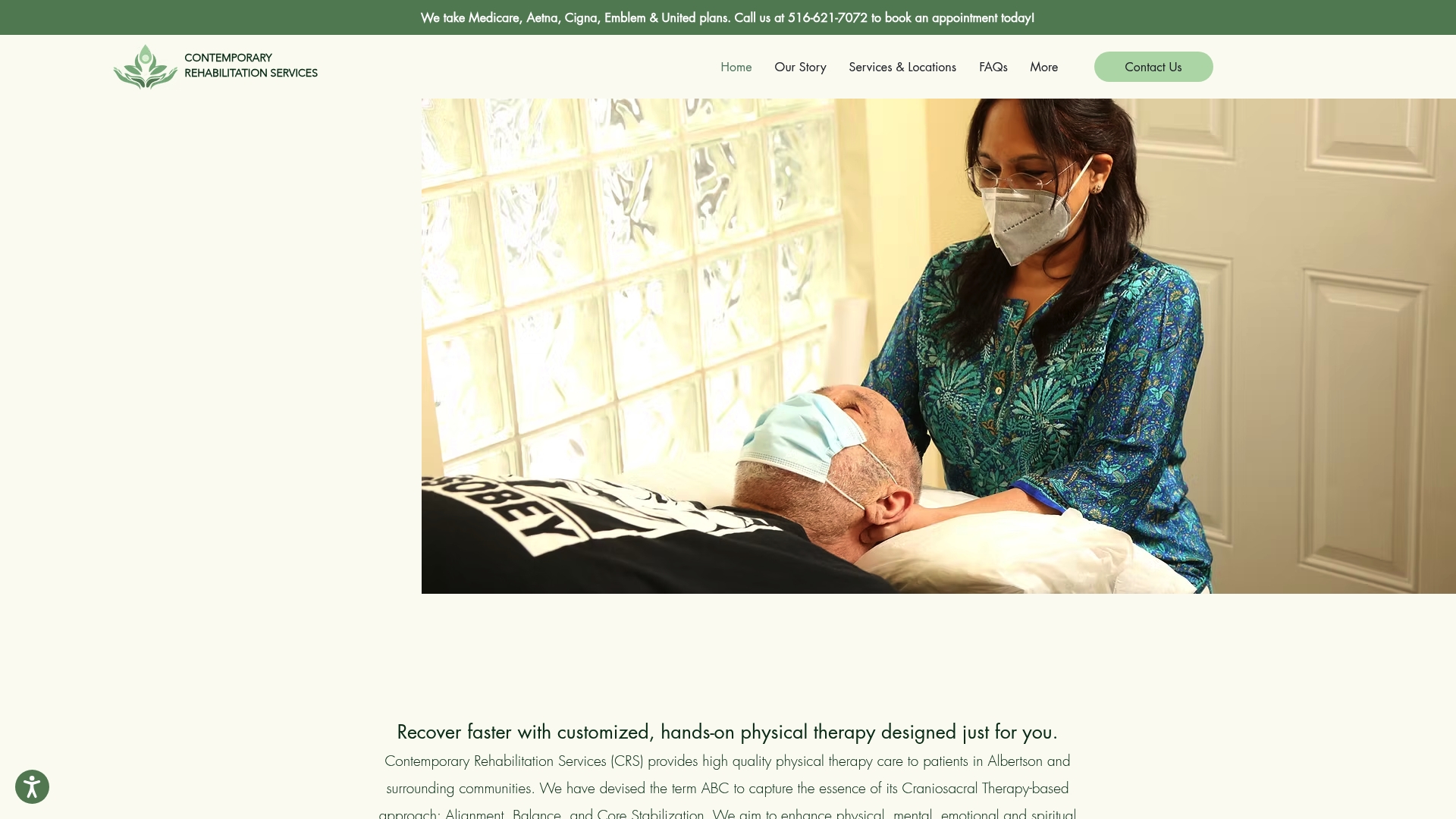
Contemporaryrehabservices builds personalized recovery plans that address your specific surgery, your current fitness level, and your daily life goals. The full range of therapy services includes physical therapy, manual therapy, and functional rehabilitation. If you are ready to take the next step in your recovery, contact Contemporaryrehabservices to schedule your initial assessment.
FAQ
What is post-surgical rehabilitation?
Post-surgical rehabilitation is structured physical therapy that rebuilds strength, restores movement, and prevents complications after surgery. It typically begins within 24–72 hours of a procedure and continues for weeks to months depending on the surgery type.
Is rehabilitation necessary after surgery?
Rehabilitation is clinically necessary after most surgeries. Without it, patients face higher risks of muscle weakness, joint stiffness, blood clots, and pneumonia, all of which prolong recovery and reduce long-term function.
How soon should rehab start after surgery?
Rehab should begin within 24–48 hours of surgery when medically safe. ERAS protocols show that early mobilization significantly reduces complications and shortens hospital stays compared to delayed movement.
Can skipping rehab after knee replacement cause permanent damage?
Skipping or delaying rehab after knee replacement increases the risk of arthrofibrosis, a condition where excess scar tissue permanently restricts joint movement. Early range-of-motion therapy is the primary way to prevent this outcome.
Do older patients need different rehab programs after surgery?
Older and frail patients need personalized, multicomponent programs that include physical therapy, occupational therapy, and nutritional support. Research shows this approach reduces postoperative complications by 28% and measurably improves walking ability and daily independence.
Recommended
Comments