
What Is Physical Rehabilitation? a Clear Guide
- tjdontplay
- May 24
- 8 min read
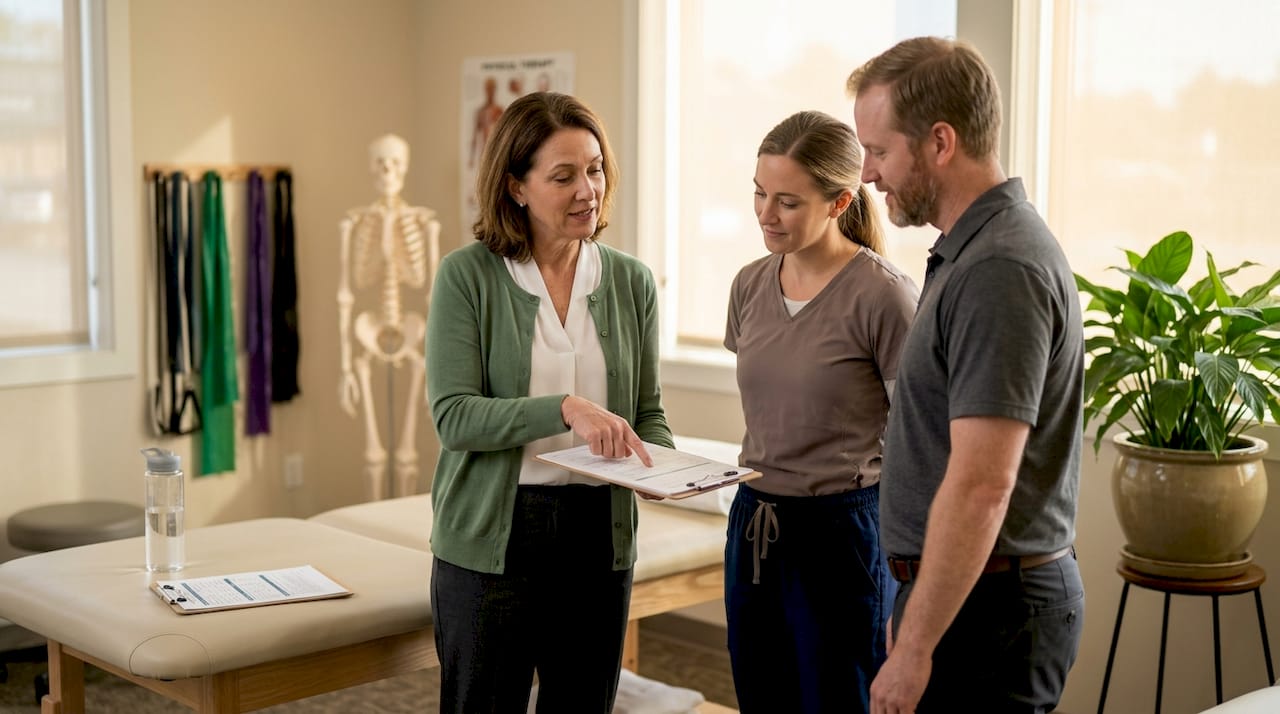
Many people hear the term “physical rehabilitation” and assume it simply means going to physical therapy for a sore back. That confusion is understandable, but the reality is much broader. What is physical rehabilitation, exactly? At its core, it is a structured medical and therapeutic process designed to help you regain lost function, rebuild strength, and return to the activities that matter most in your daily life. Whether you are recovering from surgery, managing a chronic condition, or rebuilding after a stroke, understanding how rehabilitation works can make a real difference in how you approach your recovery.
Table of Contents
Key takeaways
Point | Details |
Rehabilitation vs. therapy | Physical rehab is a broader medical process; physical therapy is one tool within it. |
Multidisciplinary team care | Recovery involves doctors, therapists, and caregivers all working toward your specific goals. |
Individualized treatment plans | Your program is built around your condition, goals, and rate of progress, not a one-size-fits-all approach. |
Multiple rehab settings | Treatment can happen at home, in an outpatient clinic, or an inpatient facility based on your needs. |
Long-term benefits | Rehab improves mobility, independence, and quality of life while reducing hospital readmissions. |
What is physical rehabilitation: definition and scope
The definition of physical rehabilitation goes well beyond simple exercise or pain relief. Physical medicine and rehabilitation is a recognized medical specialty focused on helping people regain body functions lost due to injury, illness, or a medical condition. It is sometimes called “physiatry,” and it treats the whole person rather than just the injury site.
The scope of physical rehabilitation is wide. It can address:
Movement and mobility, including walking, balance, and coordination
Activities of daily living (ADLs), such as dressing, bathing, eating, and cooking
Cognitive function, particularly after neurological events like strokes or brain injuries
Social and emotional wellbeing, helping you reconnect with life roles at home, work, and in your community
What sets rehabilitation apart from a typical doctor’s visit is the team behind it. A physiatrist (a doctor who specializes in physical medicine) leads the process, working alongside physical therapists, occupational therapists, speech-language pathologists, psychologists, and social workers. Your family or caregivers are often included as well. This team-based care recognizes that recovery is rarely a straight line, and it requires cooperation across multiple specialties to address physical, social, and work-related challenges effectively.
According to the World Health Organization, rehabilitation reduces disability and helps people remain independent and fully engaged in the roles that give their lives meaning. This is especially relevant as the population ages and chronic disease becomes more common. Rehabilitation is not just for dramatic injuries. It serves people with arthritis, heart disease, neurological conditions, and even long-term post-COVID symptoms.
How physical rehabilitation works
Understanding how rehabilitation works starts at the very beginning of the process. A physician typically initiates your care by writing a referral document that specifies your diagnosis, therapy goals, and important safety guidelines. These might include heart rate limits during exercise, weight-bearing restrictions after surgery, or specific precautions for fragile bones. Referral documents balance goals and safety to keep your treatment both effective and safe from day one.
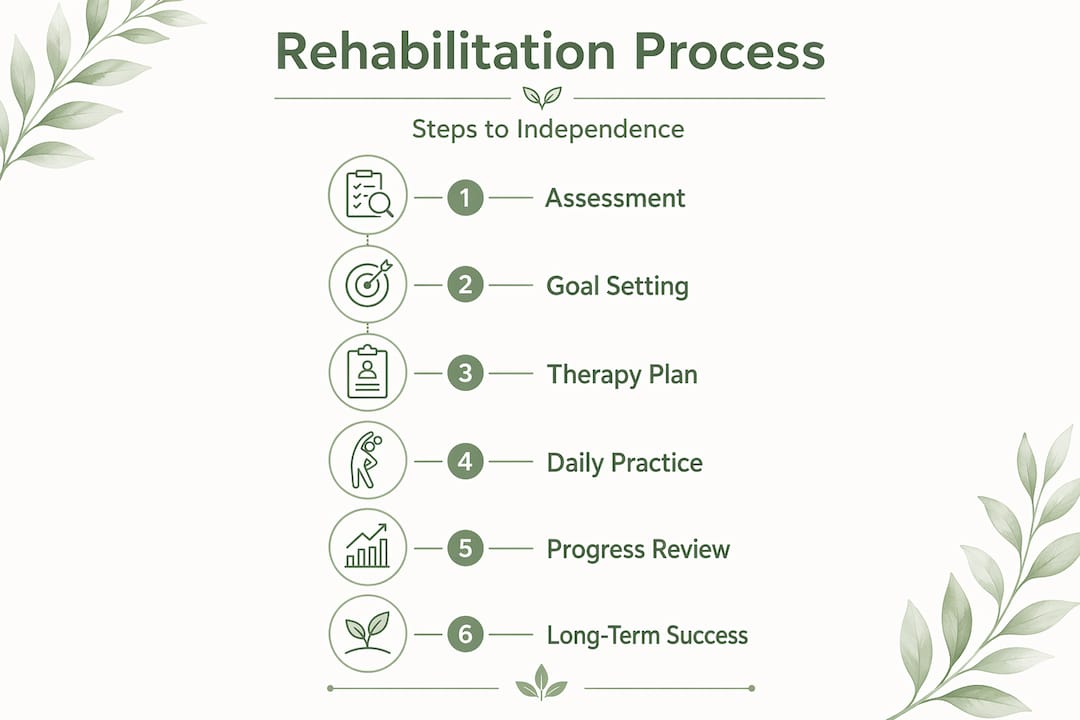
From there, your rehabilitation program follows a clear sequence:
Initial assessment: A therapist evaluates your strength, range of motion, balance, pain levels, and functional abilities. This gives everyone a baseline to work from.
Goal-setting: Your team establishes short and long-term goals focused on functional tasks, not just symptoms. That might mean walking without a cane or returning to gardening.
Treatment sessions: Sessions vary in length and frequency depending on your condition. Therapy can take place in an outpatient clinic, at your home, or in an inpatient rehab center if your condition is severe enough to require around-the-clock care.
Ongoing evaluation: Your therapist monitors your response to treatment and adjusts the plan accordingly. What works in week two may need to change by week six.
Discharge and home program: As you progress, your team prepares you to continue your recovery independently with a personalized home exercise program.
The goal here is not just to get rid of pain. The real aim of rehabilitation therapy is to teach self-care through functional tasks and measurable recovery so you can live as independently as possible.
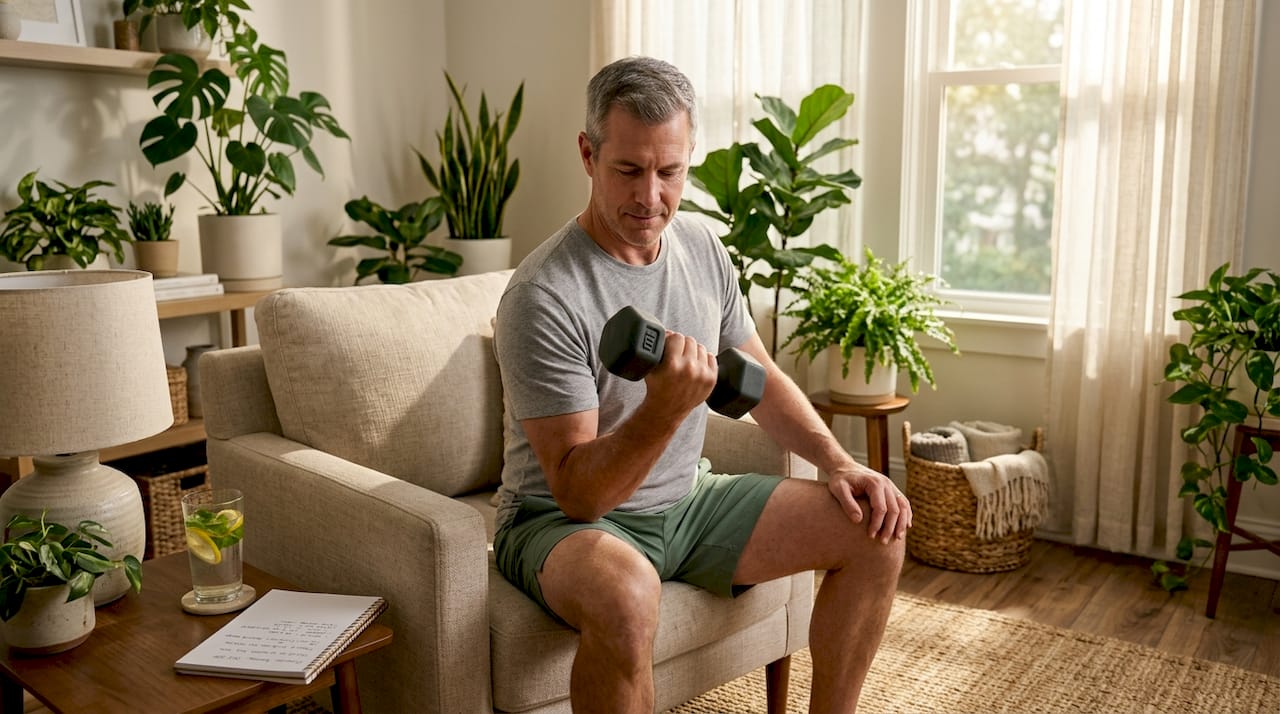
Pro Tip: Keep a simple journal during your rehabilitation. Write down your pain levels, what felt harder or easier each session, and any questions you want to ask your therapist. Therapists can adjust your plan much more precisely when they have your real-world feedback to work with.
Types of physical rehabilitation and techniques
Rehabilitation is not one-size-fits-all. Different conditions call for different specializations, and knowing which type of physical therapy applies to your situation helps you ask better questions and set realistic expectations.
Here is a comparison of the most common types:
Type | Primary focus | Typical conditions treated |
Orthopedic rehab | Bones, joints, muscles, and tendons | Fractures, joint replacements, sports injuries |
Neurological rehab | Brain and nervous system function | Stroke, Parkinson’s disease, multiple sclerosis |
Pulmonary rehab | Breathing capacity and endurance | COPD, asthma, post-COVID lung recovery |
Post-surgical rehab | Healing and function after surgery | Knee or hip replacement, spinal surgery |
Cardiac rehab | Heart function and cardiovascular fitness | Heart attack recovery, heart failure management |
Within each of these types, therapists draw from a range of rehabilitation techniques. Orthopedic, neurological, and pulmonary rehab each use tailored techniques suited to their specific conditions. Common methods include:
Therapeutic exercise: Targeted movements to rebuild strength, flexibility, and endurance
Ambulation training: Relearning how to walk safely, sometimes with assistive devices
Manual therapy: Hands-on techniques like joint mobilization and soft tissue work to reduce pain and restore mobility
Modalities: Tools like heat, cold packs, ultrasound, or electrical stimulation to manage pain and support tissue healing
ADL training: Practicing real-life tasks like getting dressed or climbing stairs in a safe, guided environment
The selection of techniques depends entirely on your individual condition, your goals, and how your body responds to treatment. Your therapist will not apply the same program to a 70-year-old recovering from hip replacement as they would to a 25-year-old rehabbing a torn ligament.
Benefits and importance of rehab therapy
The importance of rehab therapy becomes clear when you look at what patients actually gain from committing to a structured program. Recovery is rarely automatic. The body needs guided, progressive challenge to rebuild what was lost.
Here is what consistent rehabilitation can do for you:
Restore mobility and independence so you can perform daily tasks without assistance
Reduce the risk of hospital readmissions by building the strength and function needed to stay safe at home
Improve emotional wellbeing through restored confidence, social participation, and a sense of control over your health
Lower long-term healthcare costs by addressing the root cause of disability rather than managing symptoms indefinitely
The WHO is clear that rehabilitation reduces healthcare burden by keeping people out of hospitals and long-term care facilities. When you can dress yourself, walk to the kitchen, and get in and out of a car safely, you are less likely to need repeated medical interventions.
“Rehabilitation is not a luxury for recovery. It is the difference between regaining your life and simply managing your limitations.”
Pro Tip: One of the most common pitfalls in rehab is stopping too early. Many patients feel better around week three or four and assume they are done. Real functional recovery, especially after orthopedic surgery or a neurological event, often takes months. Trust your therapist’s timeline, not just your pain level.
It is also worth noting the emotional side. Many patients who enter rehabilitation are dealing with fear, frustration, and uncertainty. A good rehab team addresses that too. Learning to walk again after a stroke or regaining arm strength after surgery carries enormous psychological weight. You are not just healing a body part. You are rebuilding trust in your own body.
You can find practical guidance on optimizing your recovery in resources like faster recovery tips from experienced physical therapists.
My perspective on what rehabilitation really demands
I have worked with patients across a wide range of conditions, and the one truth I keep coming back to is this: the patients who make the most progress are not always the ones with the least severe injuries. They are the ones who show up consistently and stay engaged in the process.
What I have learned is that many patients enter rehabilitation expecting the therapist to fix them. That is an understandable expectation, but it misses something important. True rehab focuses on self-care and functional recovery, not passive treatment. You are an active participant, not a passenger.
I have also seen how damaging the misconception of “rehab as symptom relief” can be. A patient who stops coming once the pain fades is often the same patient who returns months later with a worse injury or a preventable fall. Rehabilitation is a dynamic process that requires you to engage, adapt, and trust the progression even when progress feels slow.
My honest take: the hardest part of rehab is not the exercises. It is the patience. Recovery is not linear. There will be days that feel like setbacks. But those days are part of the process, not proof that it is not working. If you are considering whether rehabilitation is right for your situation, start by reading about physical therapy in rehabilitation to understand what your path might look like before your first appointment.
— Tj
Start your rehabilitation journey with Contemporaryrehabservices
If you are in Nassau County or Queens and ready to take the next step in your recovery, Contemporaryrehabservices is here to help. As a boutique physical therapy clinic in Albertson, NY, the team offers personalized, multidisciplinary rehabilitation programs designed around your specific goals and condition.
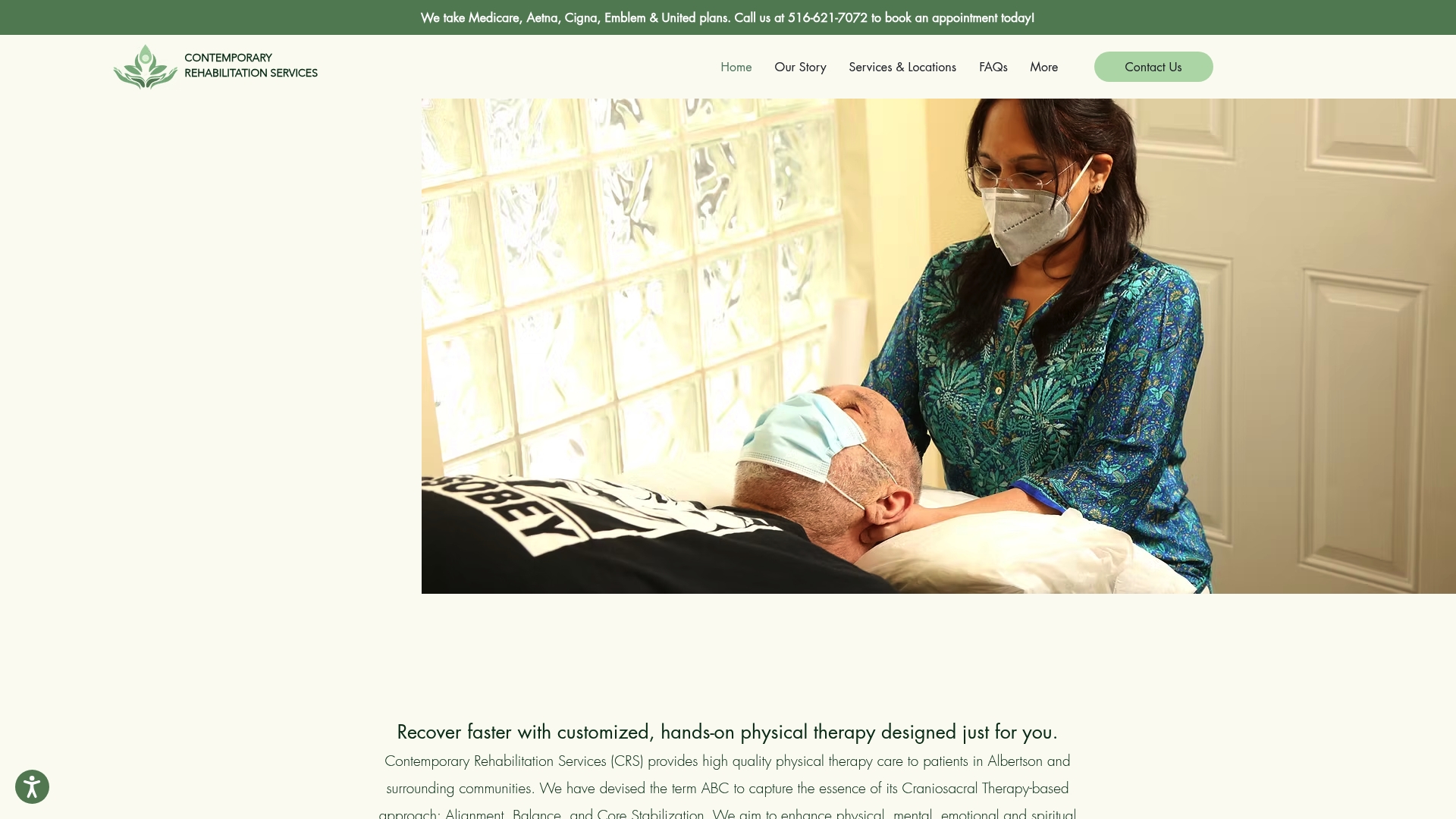
Whether you need orthopedic rehab after a joint replacement, neurological support after a stroke, or ongoing therapy for a chronic condition, Contemporaryrehabservices accepts Medicare, Aetna, Cigna, Emblem, and United Healthcare plans so that cost does not stand between you and recovery. You can explore therapy services in Albertson or find care at the Herricks location for expert rehabilitation close to home. Browse the full range of available therapies to find the right fit for your needs.
FAQ
What is physical rehabilitation in simple terms?
Physical rehabilitation is a structured medical process that helps you regain movement, function, and independence after an injury, surgery, or illness. It uses a team of specialists and personalized treatment plans to address physical, cognitive, and social recovery.
Who needs physical rehabilitation?
Anyone recovering from surgery, a stroke, a serious injury, or managing a chronic condition like COPD or Parkinson’s disease may benefit from physical rehabilitation. It serves both short-term recovery needs and long-term disability management.
How long does a physical rehabilitation program last?
Program length varies based on your condition and goals. Some patients complete rehabilitation in six to eight weeks, while others with neurological or complex orthopedic conditions may continue for several months.
What is the difference between physical therapy and physical rehabilitation?
Physical therapy is one treatment method within the broader physical rehab process. Rehabilitation may also include occupational therapy, speech therapy, psychological support, and medical management all working together under a coordinated care plan.
What should you expect in your first rehab session?
Your first session typically involves a full assessment of your strength, mobility, and functional limitations. Your therapist will discuss your goals, explain your treatment plan, and introduce initial exercises or techniques at a pace that is safe for your current condition.
Recommended
Comments