
Types of physical therapy: Find the right fit for your recovery

With so many physical therapy options available today, figuring out which one is right for you can feel genuinely confusing. Orthopedic, neurological, vestibular, craniosacral — the list goes on, and each type sounds important. But not every therapy works the same way, and what helps one person recover may not be the best fit for your specific condition. This guide walks you through the main types of physical therapy, what each one targets, and how to make an informed choice so you can focus your energy on healing rather than guessing.
Table of Contents
Overview of core types: Orthopedic, neurological, cardiopulmonary, and sports physical therapy
Exploring specialty therapies: Pediatric, geriatric, pelvic, vestibular, oncology, and wound
Manual therapy techniques: From joint mobilization to craniosacral therapy
Comparing physical therapy outcomes: What does the evidence say?
Why one size doesn’t fit all: Key lessons from physical therapy in Queens & Nassau
Key Takeaways
Point | Details |
Match therapy to condition | The best physical therapy type depends on your unique diagnosis, goals, and lifestyle. |
Standard and specialty options | Orthopedic, neurological, cardio, and sports PT are core types, with specialty therapies available for unique needs. |
Manual therapy explained | Manual and hands-on techniques like myofascial release and craniosacral therapy are often used as add-ons. |
Evidence matters | Stick to therapies supported by research but consider complementary approaches for persistent issues under professional guidance. |
How to choose the right type of physical therapy
Before diving into the many therapy options, it’s critical to know what makes each type effective for different situations. The most important thing to understand is that physical therapy is not a single approach. Common types of physical therapy include orthopedic, neurological, cardiopulmonary, and sports physical therapy, and each one is built around a specific kind of patient need.
So how do you narrow it down? Start with these key factors:
Your diagnosis and symptoms. A shoulder injury calls for something very different from a stroke recovery program or a breathing condition.
Your doctor’s recommendations. Your primary care physician or specialist is often the best starting point for a referral to the right PT type.
Your personal goals. Are you trying to return to a sport? Regain independence? Reduce chronic pain? Your goal shapes your therapy.
Your location and access. If you’re in Queens or Nassau County, it helps to know which clinics nearby specialize in what you need.
Your insurance coverage. Many therapy types are covered by Medicare, Aetna, Cigna, Emblem, and United Healthcare, but coverage varies by specialty and plan.
Evidence-based vs. complementary methods. Some therapies have strong clinical trial support. Others, like craniosacral therapy, are best used as add-ons rather than primary treatments.
When choosing the right path through physical therapy, being informed about your options makes every appointment more productive. This is especially true for physical therapy for older adults, where the right specialty can make the difference between regaining independence and continued decline.
Pro Tip: Before booking any PT appointment, ask the clinic whether their therapists hold specialty certifications relevant to your condition. A generalist can help with many things, but a certified specialist delivers more targeted, faster results.
Overview of core types: Orthopedic, neurological, cardiopulmonary, and sports physical therapy
With selection criteria in mind, let’s detail the main therapy types and who benefits most from each one.
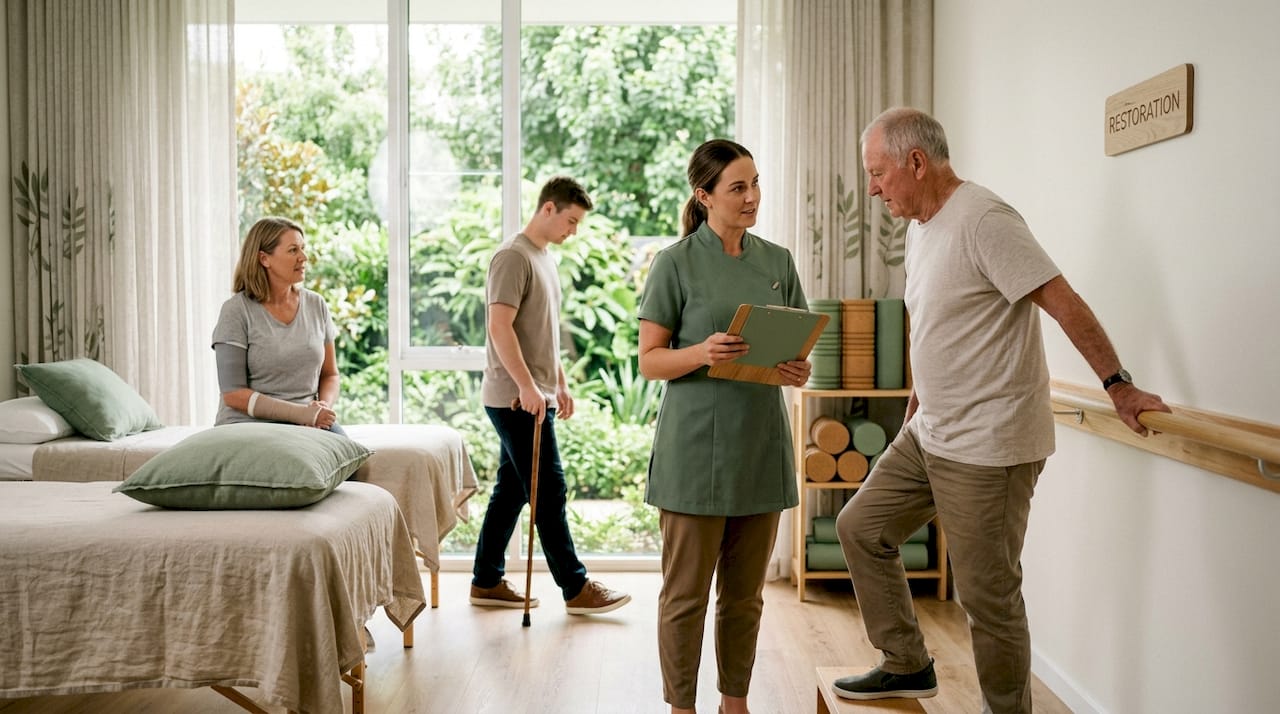
Orthopedic physical therapy is the most widely known type. Orthopedic PT focuses on musculoskeletal conditions using exercises, manual therapy, and strength training. This includes post-surgical recovery, arthritis management, back pain, and sports-related injuries to bones, muscles, and joints. If you’ve had a knee replacement, a rotator cuff repair, or a herniated disc, orthopedic PT is likely what your doctor will recommend first.
Neurological physical therapy targets a completely different set of challenges. Neurological PT addresses stroke, cerebral palsy, and spinal cord injuries, aiming to restore movement and balance. After a stroke, for example, the brain’s damaged pathways often need retraining. Neurological PT uses repetitive movement and functional exercises to help the brain rebuild those connections, a process called neuroplasticity.
Cardiopulmonary physical therapy is for people managing heart or lung conditions. Cardiopulmonary PT aids recovery from heart attacks and COPD (chronic obstructive pulmonary disease) with endurance and breathing exercises. After open heart surgery or a cardiac event, the body needs a carefully supervised plan to rebuild stamina safely without overloading the heart.
Sports physical therapy focuses on athletes of all levels. Sports PT treats athletes with injury prevention, rehabilitation, and performance enhancement. Whether you’re a weekend runner in Queens or a high school athlete on Long Island, a sports PT specialist understands how the body performs under athletic demands and designs recovery programs accordingly.
Here’s a quick reference to help you match symptoms to therapy types:
Symptom or condition | Best therapy match |
Joint pain, post-surgery, arthritis | Orthopedic PT |
Stroke recovery, balance problems | Neurological PT |
Breathing difficulty, heart surgery | Cardiopulmonary PT |
Sports injury, athletic performance | Sports PT |
Dizziness, vertigo | Vestibular PT |
Pelvic pain, bladder issues | Pelvic floor PT |
Child with developmental delay | Pediatric PT |
Senior with fall risk | Geriatric PT |
Understanding rehabilitation with physical therapy as a multi-layered process helps you see why matching the right specialty to your condition matters so much. You can also learn how to support your progress between sessions with safe therapy exercises at home.
Pro Tip: Don’t assume that because your pain started in one area, you only need one type of PT. Many patients benefit from a combination — for example, orthopedic treatment for the structural issue alongside neurological support if nerve involvement is suspected.
The expert physical therapy impact on long-term recovery is well documented, which is why early access to the right specialist matters. You can also explore other physical therapy specialties beyond the four major categories to see where your condition might fall.
Exploring specialty therapies: Pediatric, geriatric, pelvic, vestibular, oncology, and wound
In addition to standard options, unique populations or challenges require more targeted therapies. These specialty fields address specific groups who don’t always fit into the four core categories, and knowing they exist could change your recovery path.
Other PT specialties include pediatric, geriatric, vestibular, women’s health and pelvic floor, oncology, and wound management therapy. Each one serves a distinct purpose:
Pediatric PT works with children who have developmental delays, cerebral palsy, muscle weakness, or movement disorders. Therapists are trained to engage kids in a way that feels more like play than treatment, which keeps young patients motivated.
Geriatric PT addresses the unique needs of older adults, including fall prevention, hip replacement recovery, osteoporosis management, and maintaining functional independence. For seniors in Nassau County, this specialty is increasingly in demand as the population ages.
Pelvic floor PT treats conditions like bladder leakage, pelvic pain, and recovery after childbirth or prostate surgery. It’s more common in women’s health but is increasingly available for men too.
Vestibular PT is specifically designed for people experiencing dizziness, vertigo, or balance problems related to inner ear disorders. One of the most common conditions treated is BPPV, which stands for benign paroxysmal positional vertigo, a condition where tiny crystals in the inner ear shift out of place and cause sudden spinning sensations.
Oncology PT helps cancer patients manage the physical toll of treatment, including fatigue, weakness, lymphedema (swelling from fluid buildup), and neuropathy (nerve pain or numbness).
Wound management PT assists patients with chronic wounds, often following diabetes complications, pressure injuries, or vascular disease. Therapists use specialized dressings, compression techniques, and circulation-boosting exercises.
Here’s a comparison to match populations with the right specialty:
Patient population | Recommended specialty |
Children with movement challenges | Pediatric PT |
Older adults with fall risk or joint replacement | Geriatric PT |
Women with postpartum issues or pelvic pain | Pelvic floor PT |
Anyone with dizziness or vertigo | Vestibular PT |
Cancer patients in treatment or recovery | Oncology PT |
Patients with non-healing wounds | Wound management PT |
If you’re unsure which of these fits your situation, reviewing our therapy options can help you see what’s available close to home.
Manual therapy techniques: From joint mobilization to craniosacral therapy
Beyond the specialty therapies, manual hands-on techniques are a hot topic for patients seeking new approaches like craniosacral therapy. Manual therapy refers to a range of techniques where the therapist uses their hands to treat pain and movement problems directly.
Manual therapy techniques include joint mobilization and manipulation, soft tissue mobilization, myofascial release, trigger point therapy, and craniosacral therapy. Here’s what each one involves:
Joint mobilization and manipulation: The therapist moves a joint through its natural range of motion to reduce stiffness and pain. This is widely used in orthopedic PT for spine and extremity conditions.
Soft tissue mobilization: Hands-on pressure to muscles and connective tissue to break up adhesions (areas where tissue has stuck together) and restore flexibility.
Myofascial release: Gentle, sustained pressure applied to the fascia, which is the thin layer of connective tissue surrounding every muscle, to release tightness and improve movement.
Trigger point therapy: Targeted pressure on specific “knots” in the muscle (called trigger points) that cause referred pain, meaning pain felt in a location away from the actual source.
Craniosacral therapy (CST): A very light-touch approach where the therapist works with the skull, spine, and sacrum (the triangular bone at the base of the spine) to ease restrictions in the body’s craniosacral rhythm.
CST is gaining popularity, particularly among people with chronic headaches, TMJ pain, and stress-related tension. However, it’s important to be realistic about what the evidence shows.
“Established PT types like orthopedic and neurological have strong empirical support via APTA guidelines and clinical practice; CST has limited evidence and is recommended as complementary, not first-line treatment.” — American Physical Therapy Association
This doesn’t mean CST has no value. For patients with chronic pain who haven’t found full relief through standard therapies alone, learning about relieving chronic pain with CST as a complement to evidence-based treatment is worth exploring with your therapist.
Comparing physical therapy outcomes: What does the evidence say?
Understanding each type’s focus is key, but what’s most important is how these therapies perform in real-life recovery. Let’s compare evidence and outcomes so you can set realistic expectations.
Physical therapy, across most types, produces meaningful but often modest results. This isn’t a criticism — it’s a reality worth knowing upfront. Research shows that PT yields modest improvements in chronic low back pain function compared to cognitive behavioral therapy (CBT), with measurable benefits in anxiety, fatigue, and pain interference.
What this means for you is that PT works, and it works well for many people, but it works best when you stay consistent, communicate openly with your therapist, and pair it with other healthy habits. Here’s what the evidence supports:
Orthopedic PT has strong evidence for improving function after surgery, reducing joint pain, and restoring strength in musculoskeletal conditions.
Neurological PT shows solid outcomes in post-stroke mobility when started early and delivered consistently.
Cardiopulmonary PT is well-supported for improving stamina and quality of life in patients with heart failure and COPD.
Sports PT has robust evidence for return-to-sport programs and injury prevention protocols.
Craniosacral therapy shows some benefit for headaches and stress-related tension but lacks the large-scale clinical trials of other approaches.
For people managing long-term pain, this chronic neck and back pain therapy guide is a useful starting point. And if you’re weighing complementary options, reviewing pain relief with therapy can help you understand when and how to integrate CST into a broader plan.
The core takeaway here is straightforward: evidence-based therapies should form the foundation of your recovery. Complementary techniques add value when your primary approach reaches its limits or when you need additional relief.
Why one size doesn’t fit all: Key lessons from physical therapy in Queens & Nassau
With outcomes in mind, what do real-world experiences tell us about actually finding the right therapy match locally?
Here’s something we’ve observed time and time again in practice: the label on the therapy matters far less than the skill and flexibility of the therapist delivering it. A therapist who specializes in orthopedic PT but has deep experience with neurological patterns can often serve a complex patient better than two separate specialists working in isolation. Expertise matters more than the category.
Queens and Nassau County have some of the most diverse patient populations in the country. That diversity creates a genuine demand for specialty services that many suburban clinics simply don’t offer. Vestibular PT, pelvic floor therapy, craniosacral therapy — these aren’t fringe requests anymore. They reflect real, specific needs from a community that includes everyone from senior citizens managing fall risk in Albertson to competitive athletes recovering from injuries in Flushing.
What we’ve learned from working with patients across this region is that rigid adherence to a single method rarely produces the best outcomes. The patients who recover fastest are typically those whose therapists are willing to adapt — shifting between manual techniques, exercise-based approaches, and even complementary methods as the patient’s condition evolves.
The path to benefits of injury recovery therapy is rarely a straight line. It requires a therapist who listens, adjusts, and treats you as an individual rather than a diagnosis. That’s the real lesson from years of clinical practice in this area.
If you’re searching for care locally, look for a clinic that offers multiple therapy types under one roof, accepts your insurance, and gives you time to ask questions. That combination is rarer than it should be, but it’s exactly what you deserve.
Explore your options with local physical therapy experts
If you’re ready to explore which physical therapy type fits you, take the next step locally. Figuring out which therapy matches your condition doesn’t have to be something you do alone.
At our boutique clinic in Albertson, NY, we work with patients across Queens and Nassau County to build personalized therapy plans that reflect your actual diagnosis, goals, and lifestyle. Whether you need orthopedic care after surgery, vestibular therapy for dizziness, or want to explore craniosacral therapy as a complement to your current treatment, we can help you find the right fit. We accept Medicare, Aetna, Cigna, Emblem, and United Healthcare, so getting started is more accessible than you might think. Browse all therapy services we offer, or review our full range of treatments to see how we can support your recovery from the ground up.
Frequently asked questions
What type of physical therapy is best for back pain?
Orthopedic and manual therapy options, including targeted exercise and hands-on techniques, are best supported for most back pain cases, and research shows that PT produces measurable improvements in function, anxiety, fatigue, and pain interference for chronic low back pain. Those with persistent or complex pain may benefit from adding complementary modalities like craniosacral therapy to their primary treatment plan.
What are the most common physical therapy specialties?
The most common are orthopedic, neurological, cardiopulmonary, and sports physical therapy, where these four core types form the foundation of most PT practices. Beyond those, additional specialties like pediatric, geriatric, vestibular, pelvic floor, oncology, and wound management PT serve populations with more specific needs.
Is craniosacral therapy evidence-based?
Craniosacral therapy has limited high-quality evidence and APTA guidelines recommend it as a complementary, not primary, treatment option. It may offer added benefit for chronic pain and stress-related conditions when used alongside proven therapies.
How do I know which type of physical therapy I need?
Your diagnosis, symptoms, and personal goals should guide the choice, ideally with input from your physician and a licensed PT. A proper assessment of your condition by a certified therapist is the most reliable way to match you with the right therapy type.
Recommended
Comments