
Best physical therapy tips for faster recovery and wellness
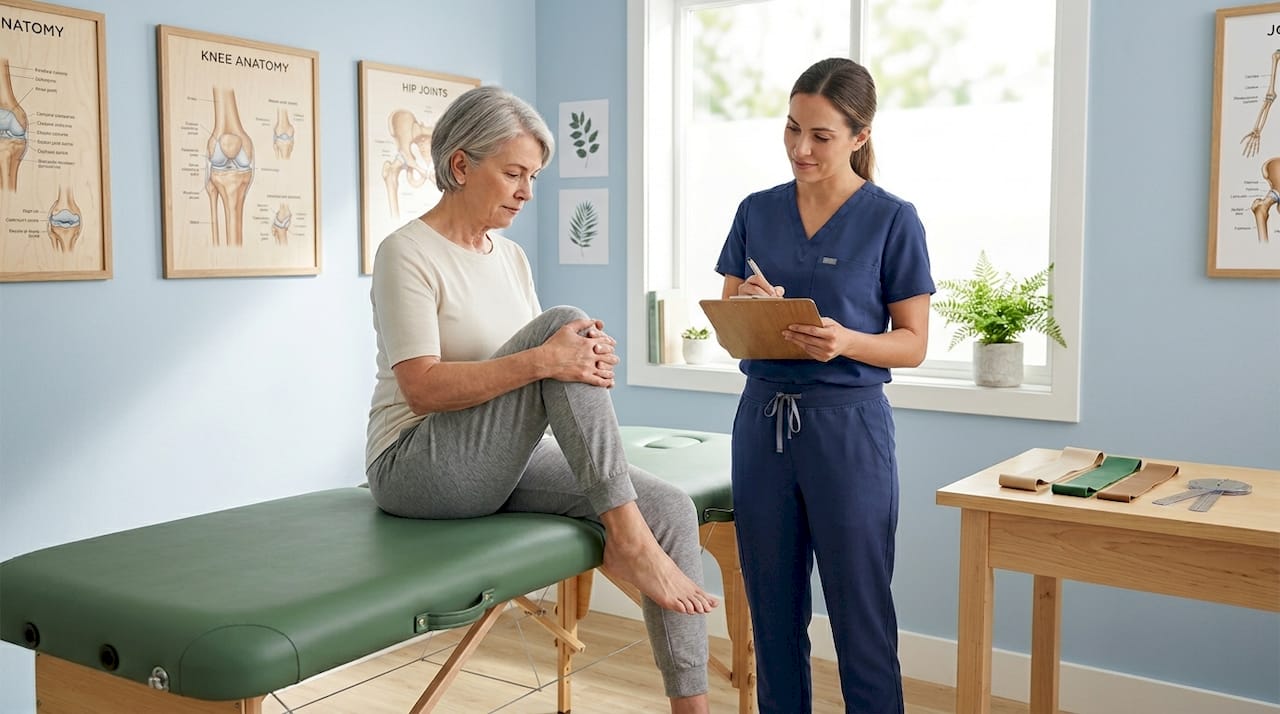
Navigating physical therapy can feel overwhelming, especially when you’re dealing with pain, recovering from surgery, or just trying to get back to your normal routine. Whether you’re in Queens or Nassau County, making the right choices early in your PT journey can mean the difference between a slow, frustrating recovery and one that actually gets you where you want to be. This article cuts through the noise by walking you through proven strategies, practical exercises, and honest information about newer treatments like craniosacral therapy (CST), so you can walk into your next session feeling informed, confident, and ready to make real progress.
Table of Contents
Key Takeaways
Point | Details |
Start with clear goals | Define your targets to get more out of every session and accelerate progress. |
Choose the right exercises | Evidence-backed moves tailored to your needs speed recovery and build lasting wellness. |
Consider all your options | Both traditional PT and complementary therapies like CST offer unique benefits depending on your condition. |
Home vs clinic—both work | Home-based PT can match clinic outcomes if you’re motivated and follow guidance. |
Track and adjust | Regularly monitor your progress to keep improvement on track and respond quickly to setbacks. |
How to set yourself up for physical therapy success
With a clear reason to focus on PT, let’s map out the essential steps for getting started right.
The first thing any good physical therapist will ask is: what do you want to achieve? That question matters more than you might think. Some people come in wanting relief from chronic lower back pain. Others need help regaining strength after a knee replacement. Still others are managing stress-related tension and need guided movement to feel functional again. Your goal shapes everything, from the frequency of your sessions to the specific techniques your therapist will use.
Physical therapy methodologies include range-of-motion exercises (both passive and active), progressive strengthening, balance training, ambulation progression, and proper evaluation tools to measure your starting point. Knowing this helps you understand why your therapist might have you doing very different things from session to session. It is not random. It is a plan built around your body.
Here are foundational habits that set successful PT patients apart:
Set specific goals before your first session: “Walk one mile without pain” is more useful than “feel better.”
Communicate openly about your pain levels, range of motion limits, and any concerns about specific movements.
Attend consistently, even on hard days. Regular, small-effort sessions compound over time and produce lasting change.
Track what you’re doing at home between sessions so your therapist can adjust your plan based on real data, not guesswork.
Ask questions when something doesn’t feel right. A good therapist welcomes feedback and adjusts accordingly.
For example, a goniometer (a simple tool that measures joint angles) can help your therapist track whether your knee flexion is improving week over week. Watching that number climb is motivating and gives both of you clear evidence that the plan is working. You can read more about your path to recovery to understand how structured rehab actually builds on itself.
Pro Tip: Apply moist heat to the target area for 10 to 15 minutes before your stretching routine. Heat increases blood flow and tissue elasticity, which helps you move with less discomfort and get more out of every stretch.
Top physical therapy exercises: What works and why
Once you have a solid foundation, it’s time to choose exercises that get real results.
Not all exercises are created equal, and the right ones depend heavily on your condition, your current strength level, and how far along you are in recovery. That said, certain exercise categories consistently show up across successful rehab programs because the research behind them is solid.
Range-of-motion work is usually where recovery begins. Think gentle shoulder slides along a table surface, slow ankle circles after a sprain, or carefully guided wrist rotations after a fracture. These movements restore the natural arc of motion in a joint without overloading healing tissue. They feel simple, but they are foundational.
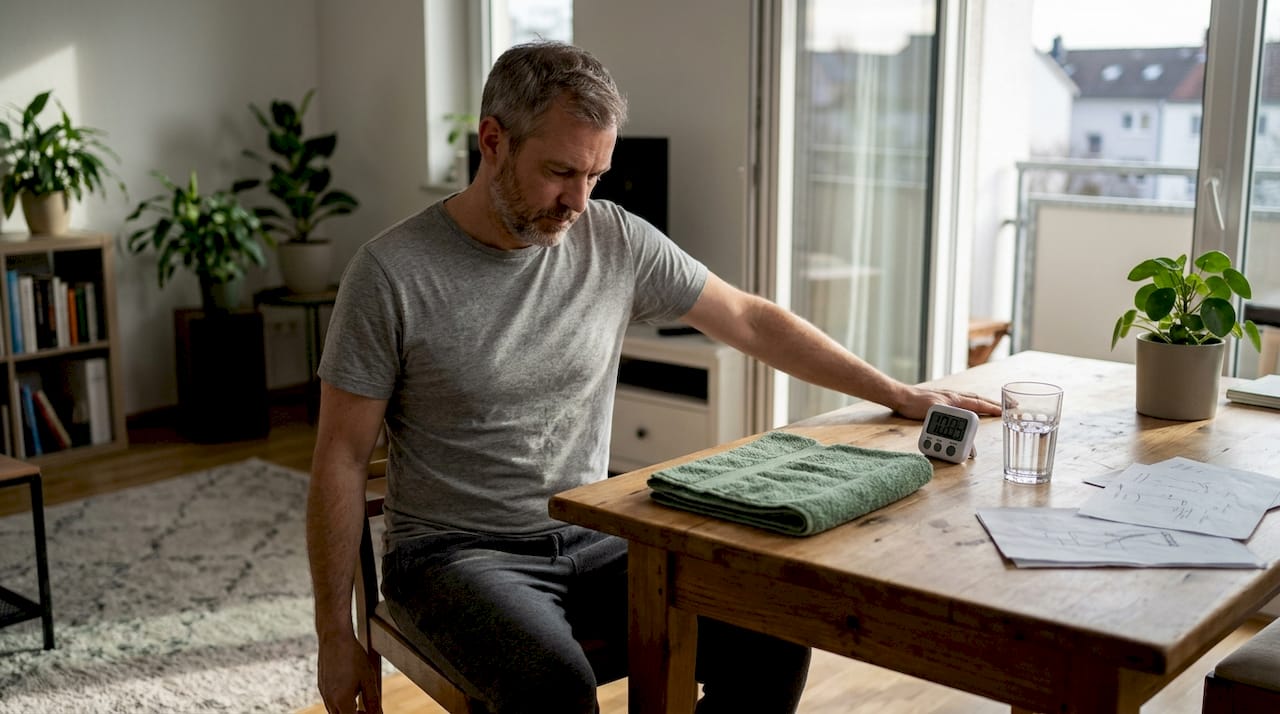
Progressive strengthening comes next. Resistance bands are a great example: after knee surgery, your therapist might start you with a light band for quad sets, then gradually increase resistance as your muscle rebuilds. This graded approach prevents reinjury while consistently challenging your body to adapt.
Balance and coordination drills often get overlooked but matter enormously, especially for older adults in Nassau County or anyone returning to an active lifestyle. Exercises like standing heel-to-toe (walking a straight line, heel touching toe with each step) retrain your nervous system to maintain stability, which reduces your fall risk and improves your overall movement quality.
The research backs all of this up. Early PT after ACL reconstruction improves IKDC scores (a standard measure of knee function) and preserves muscle strength, while higher PT dose after stroke directly improves upper limb dexterity and fine motor control. These are not small differences. They translate directly into whether a patient can climb stairs, open a jar, or return to work.
When should you exercise at home versus in the clinic?
Home-based PT exercises at home work well for self-motivated individuals, early postoperative recovery, and maintenance phases.
Clinic-based sessions are better for complex diagnoses, when you need real-time feedback on form, or when your pain is unpredictable and needs monitoring.
Many patients do both: supervised sessions two to three times a week with a guided home program on off days.
The key is consistency. Sporadic effort produces sporadic results. A steady commitment to your exercise plan, even when progress feels slow, is what separates people who fully recover from those who plateau.
Craniosacral therapy: Complement or mainstay?
Alongside traditional exercises, many are curious about hands-on therapies like craniosacral therapy, so what does the science actually say?
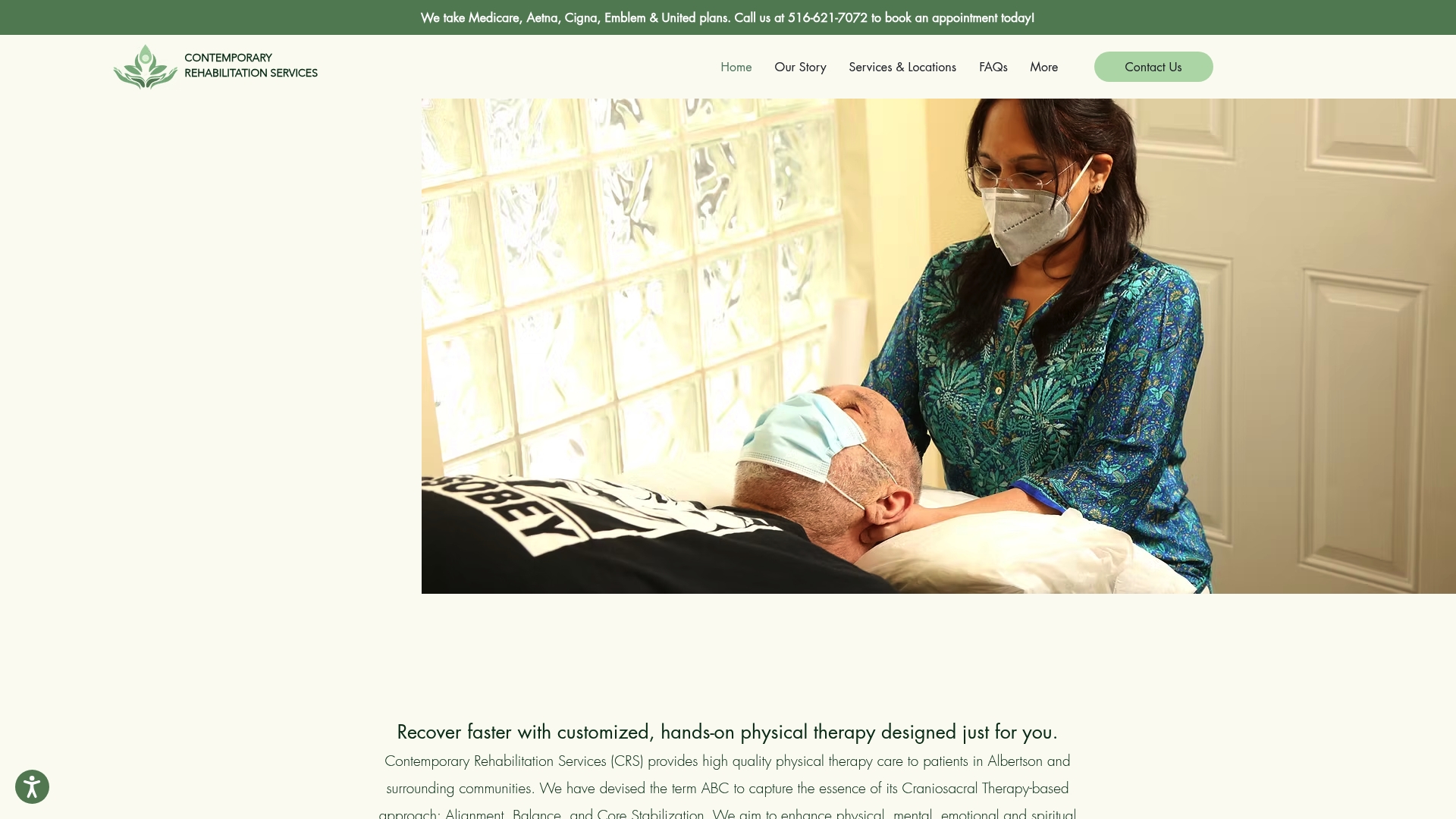
Craniosacral therapy (CST) is a gentle, hands-on technique where a trained therapist applies very light pressure to the skull, spine, and sacrum (the triangular bone at the base of your spine). The goal is to ease restrictions in the connective tissue (called fascia) that surrounds the brain and spinal cord, which practitioners believe can reduce pain and tension throughout the body. Sessions typically last 45 to 60 minutes. You remain fully clothed, lying on a treatment table, while the therapist uses feather-light touch at key points along your head and spine.
Research on CST shows a mixed but intriguing picture. Several randomized controlled trials (RCTs, the gold standard in research) report meaningful reductions in headache frequency, chronic pain, and stress levels. Some studies also note an increase in oxytocin (the hormone linked to relaxation and bonding), which may explain why patients often feel deeply calm after a session.
However, meta-analyses (studies that pool results from many RCTs) point to inconsistent findings and raise questions about the anatomical basis of the therapy. Critics note that the skull sutures (joints between skull bones) in adults have limited mobility, which challenges some of the foundational claims of CST.
Here is a fair summary of what we currently know:
What CST may help with: Headaches, migraines, neck pain, stress-related tension, and some chronic pain conditions.
What CST is not designed to replace: Active strengthening, mobility work, or evidence-based medical care for structural injuries.
Who it tends to suit: Patients who are sensitive to manual pressure, those with neurological symptoms, or anyone who has hit a plateau with traditional PT.
Meta-analyses find inconsistent results. Use CST as a supplement to active therapy, not as a standalone treatment plan.
If you are curious about trying it locally, learn more about Craniosacral Therapy in Albertson or read up on what CST actually is before your first session. You can also explore the science behind CST to understand how it may work in conjunction with your regular rehab program.
Home vs. supervised physical therapy: Which should you choose?
Now that you’ve seen the top exercise options, let’s help you choose the format that fits your lifestyle and medical needs.
This is one of the most common questions we hear from patients across Queens and Nassau County, and the honest answer is: it depends on your specific situation. Both formats have real value. The trick is knowing when each one fits.
Home-based PT can actually outperform supervised PT in certain early recovery scenarios, particularly for motivated patients after procedures like rotator cuff repair. However, long-term outcomes tend to be similar between both formats when patients follow their programs diligently.
Factor | Home-based PT | Supervised clinic PT |
Cost and accessibility | Lower cost, no travel | Higher cost, requires transportation |
Accountability | Self-directed | Therapist monitors closely |
Best for | Motivated patients, early postop, insurance limits | Complex diagnoses, chronic pain, form correction |
Feedback quality | Delayed (via calls or apps) | Immediate, hands-on |
Equipment access | Basic (bands, foam rollers) | Full clinic equipment |
Safety monitoring | Limited | High |
Here is a simple framework for deciding:
Assess your diagnosis. Simple soft-tissue injuries or post-surgical maintenance? Home PT is often fine. Complex neurological, orthopedic, or multi-system issues? Go supervised.
Be honest about your motivation. If you know you’ll skip your exercises at home, an in-clinic accountability structure will serve you much better.
Check your insurance. Medicare, Aetna, Cigna, Emblem, and United Healthcare all have different coverage limits. Understanding your benefits helps you allocate clinic visits where they matter most.
Consider a hybrid approach. Attend supervised sessions for the complex work, and handle maintenance exercises at home on other days.
Pain management is central to this decision. Graded exposure, where you gradually increase the difficulty or duration of movements as your pain tolerance improves, works best when you can communicate regularly with your provider. If your pain spikes unexpectedly, you need someone experienced nearby to guide you through it.
Pro Tip: Keep a simple daily log noting your pain level (1 to 10), which exercises you did, and how your body responded. Share it at every session. This one habit dramatically improves how quickly your therapist can fine-tune your plan.
Making sense of your progress: Tracking and adjusting for best results
Whatever format or therapy you choose, knowing how to measure your own progress is essential for staying motivated and making gains.
Many patients feel like they cannot tell if they are improving, especially in the first few weeks when progress is subtle. This is where objective tracking makes a real difference. Instead of relying on gut feelings, you use actual measurements to confirm that your body is responding to treatment.
Objective tools like a goniometer, functional scoring systems like the IKDC (for knee health) or the Box and Block Test (for hand dexterity), and consistent pain rating scales give you clear, comparable data over time. Your therapist should be doing these assessments regularly, and you should be asking about the numbers.
Simple tools you can use on your own between sessions:
A journal or notebook where you record pain scores, exercise completion, and any unusual symptoms.
Functional self-tests like how many stair steps you can climb without stopping, how far you can reach overhead, or how long you can stand on one foot.
Photos or video of your posture or movement patterns so you can spot changes that might not be obvious day to day.
Benchmark | What to watch for | If you plateau |
Range of motion | Gradual, weekly improvement | Discuss with therapist; technique or intensity may need to shift |
Pain levels | Trending down over 2 to 3 weeks | Review activity levels, sleep, and stress triggers |
Functional tests | Increasing duration or difficulty | Add new challenge or progress to next exercise tier |
Strength scores | Measurable increase monthly | Consider adding resistance or frequency |
When you notice a plateau, do not ignore it or push through blindly. Tell your therapist. Adjustments are normal and expected in any solid rehab program. Plateaus often mean your body is ready for a new stimulus, not that something is wrong.
Why personalization matters more than “best” tips in physical therapy
Here is a perspective worth sitting with: the concept of “best tips” in PT is a bit of a myth.
Every framework in this article is backed by research and real-world results. But research studies test averages. You are not an average. You are a specific person with a specific injury history, a specific pain threshold, specific insurance coverage, and a specific weekly schedule. What works brilliantly for a 42-year-old runner in Great Neck might do very little for a 67-year-old post-shoulder-surgery patient in Flushing.
In our experience working with patients across Queens and Nassau County, the real breakthroughs happen when general strategies get personalized. That might mean modifying a standard quad-strengthening routine because a patient’s pain flares past a certain knee angle. It might mean incorporating CST into a plan not because it is proven to rebuild muscle, but because that patient’s nervous system is so overactivated by chronic pain that they cannot relax enough to do the active work effectively. It might mean scheduling three short sessions per week instead of two long ones because a patient commutes into the city and has limited time.
Insurance realities also shape personalization in ways that rarely show up in clinical studies. When your Cigna or United Healthcare plan limits you to a set number of PT visits, every session has to count. That requires a thoughtful, customized approach, not a one-size-fits-all template. Explore personalized PT pathways to see how a tailored plan actually comes together.
The most effective physical therapy does not look the same for everyone. It looks right for you. That is the standard worth holding your care to.
Find your local physical therapy and wellness solution
Putting all these tips together, you may be ready for the next step: connecting with a trusted local provider.
At Contemporary Rehab Services in Albertson, NY, we specialize in building individualized physical therapy plans for patients across Queens and Nassau County. Whether you’re managing a recent injury, recovering from surgery, or exploring hands-on therapies like craniosacral therapy, our team is here to guide you at every step.
We accept Medicare, Aetna, Cigna, Emblem, and United Healthcare, so your care is as accessible as it is expert. Browse all therapies and specialties to find what fits your needs, then visit our Albertson PT clinic or our Searingtown PT location to schedule a consultation. Your recovery plan should be as unique as you are, and we are ready to build it with you.
Frequently asked questions
How soon should I start physical therapy after an injury or operation?
Starting PT as early as safely possible leads to significantly better outcomes. Early PT after ACL reconstruction measurably improves both recovery benchmarks and muscle strength compared to delayed starts.
Is home-based physical therapy as good as supervised clinic sessions?
For many patients, home-based PT produces similar long-term outcomes to supervised care, but complex or high-risk cases benefit from direct, in-clinic monitoring. Home vs supervised PT research shows early differences that tend to even out over time.
Can craniosacral therapy help with pain or headaches?
Some studies show meaningful relief for pain, headaches, and stress through CST, but overall evidence is mixed. Use it as a complement to active PT, not as a standalone treatment.
How should I track my improvement in physical therapy?
Use objective measures like goniometer readings, functional test scores, and consistent pain rating scales to monitor real progress across your sessions.
Recommended
Comments