
What Is PT for Pediatrics? A Parent's Guide
- tjdontplay
- Jul 15
- 8 min read
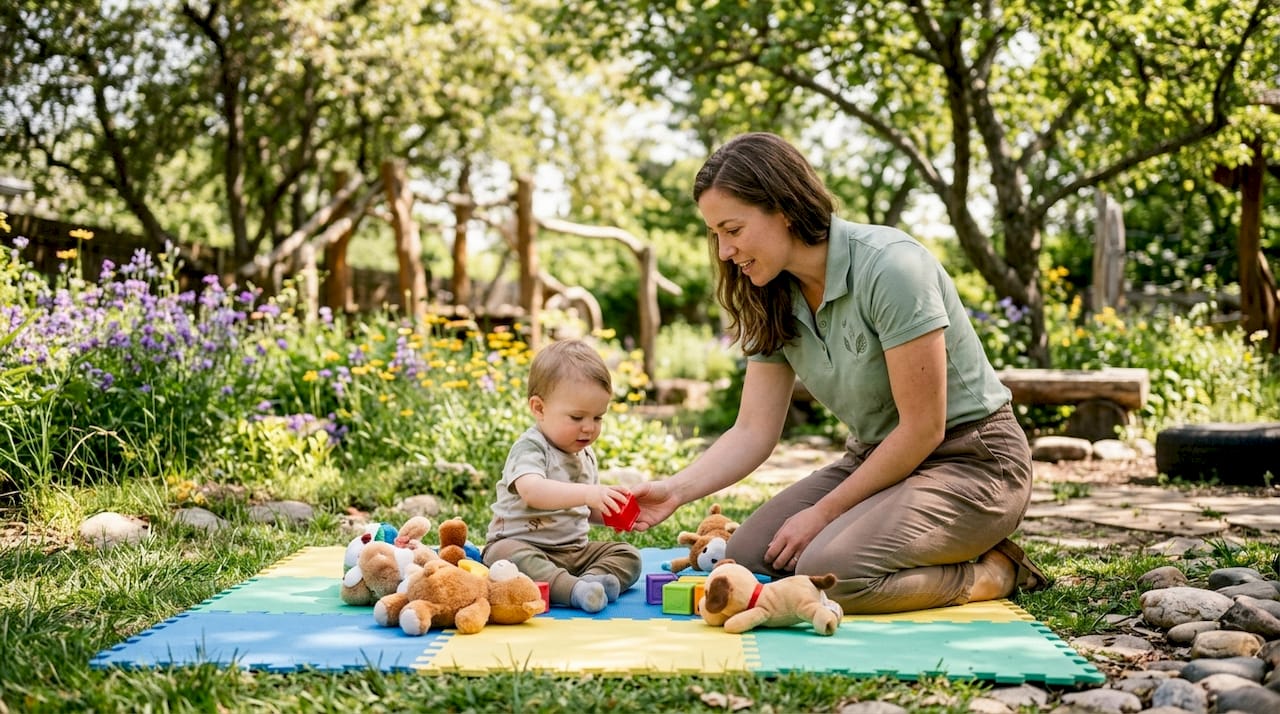
Pediatric physical therapy is a specialized healthcare service that helps children from birth through age 21 develop gross motor skills, build strength, and improve balance and coordination. The formal industry term is pediatric physical therapy, though many parents simply call it “PT for kids.” Therapists in this field hold doctoral degrees and may earn the Pediatric Certified Specialist (PCS) credential, with over 3,050 specialists certified since 1986. If your child struggles with walking, balance, posture, or physical milestones, pediatric PT is the place to start.
What is PT for pediatrics, and what conditions does it address?
Pediatric physical therapy addresses a wide range of physical challenges in children, from diagnosed conditions to everyday functional struggles that parents often dismiss as “just a phase.” The scope is broader than most parents expect. PT supports children from birth through age 21, focusing on gross motor development and common physical concerns.
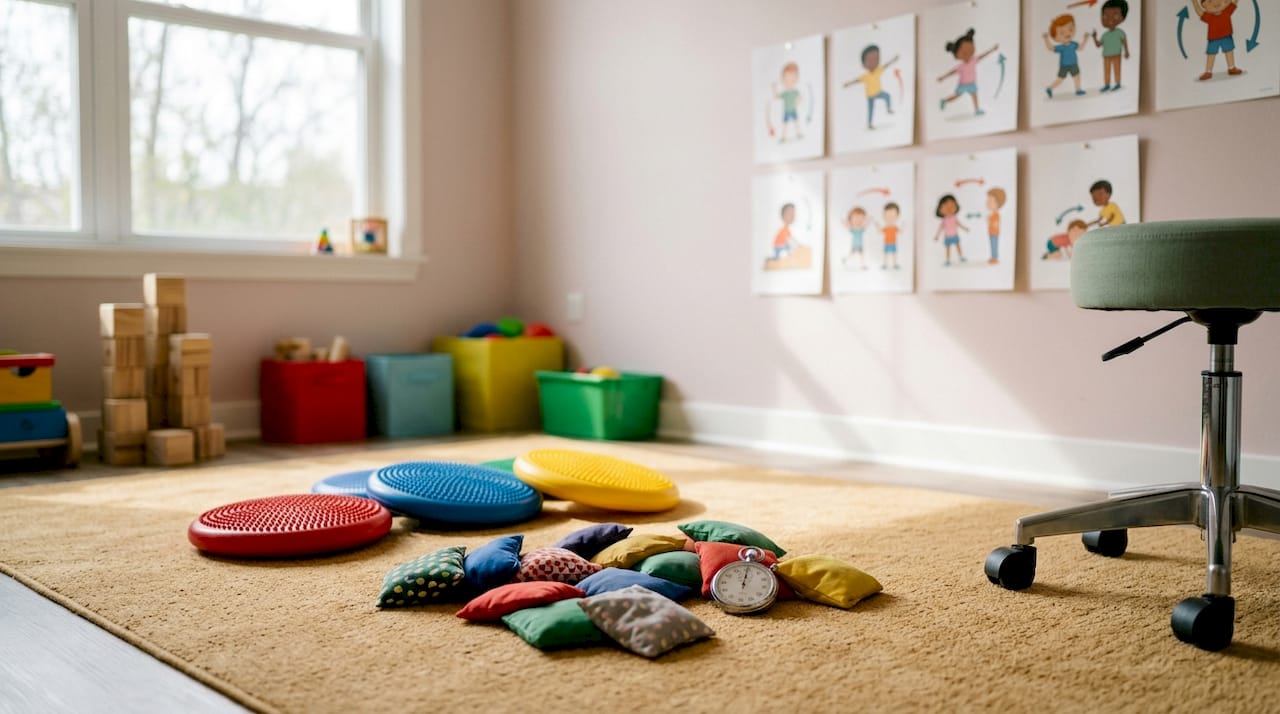
One key distinction: a child does not need a formal diagnosis to benefit from PT. Therapy helps children with functional challenges like poor balance, coordination difficulties, or delayed milestones, even when no underlying condition has been identified. That means if your child falls frequently or seems physically behind peers, a PT evaluation is appropriate.
Common conditions and challenges that pediatric PT addresses include:
Gross motor delays: Late crawling, walking, or running compared to typical developmental timelines
Balance and coordination problems: Frequent falls, difficulty with stairs, or trouble with sports and playground activities
Postural issues: Slouching, asymmetrical posture, or difficulty sitting upright for extended periods
Low muscle tone (hypotonia): Muscles that feel floppy or tire quickly during physical activity
Toe walking: A pattern where children consistently walk on their toes past the age when it is developmentally expected
Torticollis: A tightening of neck muscles that causes the head to tilt or rotate to one side, often present from infancy
Neurological and developmental diagnoses: Cerebral palsy, Down syndrome, spina bifida, and autism spectrum disorder all commonly involve PT as part of ongoing care
Post-surgical or injury recovery: Children healing from orthopedic surgery, fractures, or sports injuries need PT to regain strength and function
Each of these conditions affects how a child moves through the world. Addressing them early gives children the best chance of reaching their full physical potential.
How does pediatric PT differ from occupational or speech therapy?
Parents often hear the terms PT, OT, and speech therapy used together, and the overlap can be confusing. Each therapy targets a different area of a child’s development, though they frequently work together as a team.
Therapy type | Primary focus | Common goals |
Physical therapy (PT) | Gross motor skills and large muscle movement | Walking, balance, posture, strength, coordination |
Occupational therapy (OT) | Fine motor skills, sensory processing, daily living tasks | Handwriting, dressing, feeding, sensory regulation |
Speech-language therapy | Communication and swallowing | Speaking, language comprehension, feeding safety |
PT focuses on gross motor skills and large muscle movement, while OT addresses fine motor skills, sensory processing, and daily living tasks. Speech therapy relates to communication and feeding. The distinction matters because it determines which professional you contact first and what goals get prioritized.
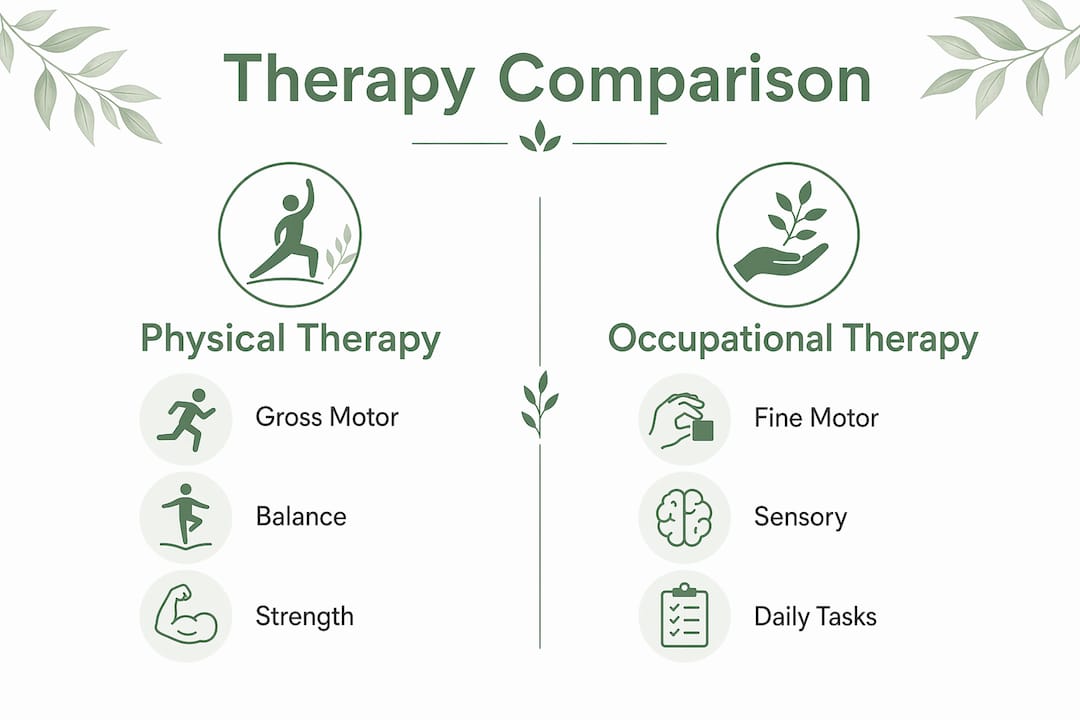
In practice, many children receive two or all three therapies simultaneously. A child with cerebral palsy, for example, may work with a PT on walking and balance, an OT on hand function and self-care, and a speech therapist on communication. The therapists share notes, align goals, and adjust plans together.
Pro Tip: If your child’s pediatrician recommends therapy but does not specify which type, ask whether the primary concern is movement and physical function (PT), daily task independence (OT), or communication (speech). The answer will point you to the right starting point.
What does a pediatric PT evaluation and treatment look like?
The evaluation process is thorough and child-friendly. Physical therapists assess balance, coordination, posture, strength, endurance, and functional mobility to design individualized treatment plans based on observed needs and developmental goals. The first session is largely observational, with the therapist watching how your child moves, sits, stands, and plays.
A typical evaluation covers:
Strength testing: How well your child can push, pull, and support their own body weight
Balance assessment: Static balance (standing still) and dynamic balance (moving without falling)
Coordination tasks: Activities like hopping, catching, or navigating an obstacle course
Posture and alignment: How your child holds their body during sitting and standing
Functional mobility: How your child gets up from the floor, climbs stairs, or transitions between positions
Once the evaluation is complete, the therapist sets individualized goals tied to specific developmental milestones and functional movements. Goals are concrete. A goal might be “walk up stairs alternating feet without holding the railing” rather than a vague aim like “improve balance.”
Treatment sessions look very different from adult PT. Sessions resemble guided play using toys and activities adapted to the child’s age and interests, creating child-centered rather than exercise-heavy environments. A therapist working on core strength with a four-year-old might use a balance beam, a therapy ball, or an obstacle course rather than a traditional exercise routine. The child is engaged, not bored.
Settings vary based on age and need. Children under age 3 often receive PT through early intervention programs at home or community-based settings rather than traditional clinics. Older children typically attend outpatient clinic sessions, though school-based PT is also common for children with educational support plans.
Pro Tip: Bring a short video of your child moving at home to the first evaluation. Therapists see children in a clinical setting, which can affect how a child performs. A video of your child’s typical movement patterns gives the therapist a more complete picture.
What are the benefits of pediatric physical therapy for children and families?
The benefits of PT for kids extend well beyond the therapy room. Physical development directly supports a child’s ability to participate in school, friendships, and daily life.
Improved motor skills and physical confidence. Children who complete PT programs show measurable gains in strength, balance, and coordination. More importantly, they gain confidence in their bodies. A child who once avoided the playground because of balance fears often becomes an active participant after targeted therapy.
Better school readiness and academic performance. Gross motor coordination, balance, posture, and the ability to sit upright are directly linked to academic success and comfort in school. A child who cannot sit comfortably or maintain posture at a desk will struggle to focus on learning. PT addresses the physical foundation that school demands.
Support for recovery from injury or surgery. Children recovering from fractures, orthopedic surgery, or sports injuries need structured rehabilitation to regain full function. PT guides that process safely, reducing the risk of re-injury and ensuring the child returns to activity at the right pace.
Greater independence in daily movement. The ultimate goal of pediatric PT is independent, confident movement. Children learn to navigate their environment without constant adult assistance, which builds self-esteem alongside physical ability.
Family involvement and ongoing development. PT is not a passive process for parents. Therapists teach families exercises, strategies, and environmental modifications to support progress between sessions.
“Pediatric physical therapy is a collaborative, family-involved process focused on giving children tools for confident and independent movement in daily life. Progress is measured in months or years as children achieve developmental milestones, contrasting with adults’ faster rehabilitation timelines.”
Family involvement and confidence building are central therapy goals, not optional extras. When parents understand and reinforce what happens in sessions, children progress faster and retain skills more effectively.
Key Takeaways
Pediatric physical therapy gives children the physical foundation they need for school, play, and independent daily life, making early evaluation one of the highest-value steps a parent can take.
Point | Details |
PT covers birth through age 21 | Therapy addresses gross motor skills, balance, strength, and coordination across all childhood stages. |
No diagnosis required | Children with functional challenges like poor balance or delayed milestones qualify for PT evaluation. |
Sessions use guided play | Child-centered, play-based sessions keep children engaged while building real physical skills. |
PT differs from OT and speech | PT targets large muscle movement; OT targets fine motor and daily tasks; speech targets communication. |
Family involvement speeds progress | Parents who practice therapist-taught strategies at home help children reach milestones faster. |
Why early PT matters more than most parents realize
Working in physical rehabilitation, I have seen parents wait 12 to 18 months after noticing a concern before seeking a PT evaluation. The most common reason is reassurance from well-meaning relatives: “He’ll grow out of it.” Sometimes that is true. Often it is not, and the delay costs the child months of progress during the period when the nervous system is most adaptable.
The thing most parents do not know is that pediatric PT progress is milestone-focused and long-term, measured in months or years rather than weeks. Starting earlier does not just speed things up. It changes the trajectory entirely. A two-year-old with low muscle tone who starts PT has a fundamentally different outcome than a five-year-old who starts with the same profile and years of compensatory movement patterns already established.
I also want to address a common misconception: PT is not only for children with serious diagnoses. Some of the most meaningful outcomes I have seen involve children with no formal diagnosis at all. A child who was falling constantly, avoiding physical play, and losing confidence in their body. After a few months of targeted work, that same child is running, climbing, and asking to go to the playground. That shift in confidence is not a small thing. It shapes how a child sees themselves for years.
My advice to any parent reading this: if something feels off about how your child moves, trust that instinct. Ask your pediatrician for a PT referral. A physical therapy evaluation is not a commitment to a long treatment plan. It is information. And information is always worth having.
— Tj
Pediatric PT services at Contemporaryrehabservices
Contemporaryrehabservices is a boutique physical therapy clinic in Albertson, NY, serving families across Queens and Nassau County. The clinic offers specialized pediatric therapy services delivered by experienced therapists, including those with advanced pediatric training.
Parents can schedule a developmental screening or full evaluation to get a clear picture of their child’s physical needs. Contemporaryrehabservices accepts Medicare, Aetna, Cigna, Emblem, and United Healthcare plans, making care accessible for most families. If you are looking for local pediatric PT close to home, the team is ready to build an individualized plan for your child. Contact Contemporaryrehabservices to schedule your child’s first appointment.
FAQ
What age can a child start pediatric physical therapy?
Pediatric physical therapy serves children from birth through age 21. Infants as young as a few weeks old can receive PT for conditions like torticollis or low muscle tone.
How long does pediatric PT typically last?
Progress is measured in months or years, depending on the child’s condition and goals. Unlike adult rehabilitation, pediatric PT tracks developmental milestones rather than recovery from a single injury.
Does my child need a diagnosis to qualify for pediatric PT?
No formal diagnosis is required. Children with functional challenges like frequent falls, poor balance, or delayed milestones qualify for a PT evaluation and may benefit from treatment.
What should I bring to my child’s first PT appointment?
Bring any relevant medical records, your pediatrician’s referral, and insurance information. A short video of your child moving at home is also helpful for the therapist’s assessment.
How does pediatric PT support a child’s success in school?
Gross motor coordination and posture are directly linked to academic performance and classroom comfort. Children who can sit upright and move confidently are better positioned to focus on learning.
Recommended
Comments