
Physical Therapy Myths Debunked: What You Need to Know

Physical therapy, defined by Britannica as a health profession aimed at improving movement in people with compromised function, is one of the most misunderstood fields in modern medicine. Physical therapy myths circulate widely, and they stop real people from getting care that could genuinely change their lives. Whether you have heard that PT is only for post-surgery patients or that it is too expensive to consider, these misconceptions deserve a direct, evidence-based response. This article debunks the most common myths about physical therapy so you can make informed decisions about your health.
1. Physical therapy myths start here: PT is only for injuries
Physical therapy treats far more than acute injuries or surgical recovery. Licensed physical therapists work with patients managing chronic conditions like arthritis, osteoporosis, neurological disorders, and cardiovascular disease, as well as healthy individuals who want to prevent future problems.

Exercise therapy reduces pain and improves function for chronic low back pain, with benefits that last well beyond the program itself. That finding matters because it confirms PT’s role in long-term health management, not just short-term repair.
Physical therapists also address balance deficits in older adults, breathing dysfunction in pulmonary patients, and movement inefficiencies in athletes. The scope is genuinely broad. If you are waiting for a serious injury before considering PT, you are missing a significant window for prevention.
Chronic condition management (arthritis, diabetes-related neuropathy, heart failure)
Fall prevention and balance training for older adults
Sports performance optimization and injury prevention
Postural correction and ergonomic guidance for desk workers
Pro Tip: Starting PT before a minor problem becomes a major one is almost always faster, cheaper, and less painful than waiting. If something has been bothering you for more than two weeks, that is a reasonable threshold to seek an evaluation.
2. You always need a doctor’s referral to see a physical therapist
This is one of the most persistent physical therapy misconceptions, and it is based on outdated information. As of July 1, 2025, all U.S. jurisdictions allow some form of direct access to physical therapy. That means you can contact a PT clinic directly without a physician’s order.
The specifics vary by state. Twenty-one states allow fully unrestricted direct access, while 29 states plus Washington D.C. allow provisional direct access with certain limitations on treatment duration or scope. The direct access myth persists largely because of outdated gatekeeper assumptions rather than current law.
There is an important nuance here. Legal direct access does not always equal insurance-covered direct access. Some insurers and hospital-affiliated facilities still require a referral for reimbursement purposes, even where state law permits open access. Always verify your specific plan’s requirements before your first appointment.
The practical upside of direct access is significant. Patients who go directly to a PT save roughly $1,500 to $1,800 per episode of care compared to physician-first pathways, largely by avoiding unnecessary imaging and specialist visits. That is a meaningful financial difference for most families.
3. Physical therapy is always painful
The “no pain, no gain” belief is one of the most damaging physical therapy misconceptions because it causes people to either push through genuine harm or avoid PT entirely out of fear. Neither response serves you well.
Some muscle soreness after PT sessions is normal and expected. It reflects the same adaptation process that occurs after any new physical activity. Clinicians dose exercise programs carefully to increase load tolerance while minimizing harmful symptoms, and they are trained to distinguish between productive discomfort and actual injury signals.
Here is the key distinction your therapist uses:
Therapeutic soreness feels like muscle fatigue or mild achiness that peaks 24 to 48 hours after a session and resolves on its own. This is normal.
Sharp or joint pain during an exercise, or pain that worsens significantly after a session, is a signal to communicate with your therapist immediately.
Referred or radiating pain that spreads to new areas during treatment warrants reassessment of the exercise or technique being used.
Your therapist adjusts your program based on your feedback. PT is a collaborative process, not something done to you without your input.
Pro Tip: Rate your pain on a 0 to 10 scale before and after each session and share that number with your therapist. This simple habit helps your clinician calibrate your program far more precisely than a general “it feels okay.”
4. Physical therapy is just exercise or massage
This myth reduces a licensed clinical profession to two of its most visible tools. Physical therapy is a multimodal discipline that combines exercise, manual therapy, patient education, neuromuscular re-education, and specialized modalities into individualized treatment plans.
Chronic musculoskeletal pain, which accounts for 70 to 80% of chronic pain presentations, responds better to combination approaches than to any single intervention. A massage alone or a generic exercise routine alone does not address the neuromuscular, biomechanical, and behavioral factors that drive persistent pain.
PT Modality | What It Does |
Manual therapy | Hands-on joint mobilization and soft tissue work to restore movement |
Neuromuscular re-education | Retrains the nervous system to coordinate movement patterns correctly |
Therapeutic exercise | Builds strength, endurance, and flexibility specific to your condition |
Patient education | Teaches pain science, posture, and self-management strategies |
Modalities (ultrasound, TENS) | Reduces pain and inflammation to support active treatment |
Physical therapists are licensed health providers treating movement dysfunction, not fitness coaches. The clinical reasoning behind your program reflects years of graduate-level training in anatomy, pathology, and rehabilitation science.
5. Once you finish PT, you are fully cured
Physical therapy produces results that depend on what you do after you leave the clinic. Pain relief often arrives before full functional restoration, which creates a false sense of completion. Meaningful recovery is gradual, and the gains you build in the clinic require ongoing activity to hold.
Think of PT as building a foundation. The therapist constructs it with you, but you maintain it through consistent movement and the home exercise program your therapist prescribes. Stopping all activity the moment pain subsides is one of the most common reasons people return to PT with the same problem months later.
To maintain your PT gains long term:
Complete your home exercise program as prescribed, even on days when you feel fine
Return to your therapist for a check-in if symptoms begin to return rather than waiting for a full relapse
Incorporate the movement habits your therapist taught you into your daily routine permanently
Stay active with low-impact activities like walking, swimming, or cycling to support tissue health
Your home exercise program is not optional extra credit. It is the mechanism through which your clinic work becomes lasting change.
6. Physical therapy is too expensive and not covered by insurance
Cost is a real concern, and it deserves a direct answer. Most major insurance plans, including Medicare, Aetna, Cigna, Emblem Health, and UnitedHealthcare, cover physical therapy when it is medically necessary. The out-of-pocket cost depends on your deductible, copay structure, and the number of visits your plan authorizes.
The more important financial truth is that avoiding PT often costs more. Patients who access PT directly, without going through a physician first, save approximately $1,500 to $1,800 per episode of care by bypassing unnecessary imaging, specialist consultations, and in some cases, surgery. Early PT intervention for conditions like low back pain or rotator cuff tendinopathy frequently prevents the need for more expensive interventions down the line.
Pro Tip: Call your insurance provider before your first appointment and ask three specific questions: Is physical therapy covered under my plan? Do I need a referral for reimbursement? How many visits are authorized per calendar year? This five-minute call prevents billing surprises.
Boutique clinics like Contemporaryrehabservices in Albertson, NY accept Medicare, Aetna, Cigna, Emblem Health, and UnitedHealthcare, making expert PT care accessible to a wide range of patients across Queens and Nassau County.
Key takeaways
The most important physical therapy fact is this: misconceptions about cost, pain, referrals, and scope prevent people from accessing care that is evidence-based, broadly covered by insurance, and effective for far more conditions than most people realize.
Point | Details |
PT scope is broad | Physical therapy treats chronic conditions, prevents injury, and supports long-term health, not just post-surgery recovery. |
Direct access is real | All U.S. states allow some form of direct access to PT as of 2025, though insurance rules vary. |
Pain is not the goal | Therapists calibrate programs to produce therapeutic adaptation, not harm. Soreness is normal; sharp pain is a signal. |
PT is multimodal | Effective programs combine exercise, manual therapy, education, and neuromuscular training, not one tool alone. |
Insurance usually covers it | Medicare, Aetna, Cigna, Emblem Health, and UnitedHealthcare cover medically necessary PT for most patients. |
What I have learned from years of watching myths block good care
I have seen the same pattern repeat itself more times than I can count. Someone has been managing knee pain with ibuprofen for eight months. They finally come in, and within six weeks of targeted PT, they are moving without medication. When I ask why they waited, the answer is almost always one of the myths in this article. “I thought I needed a referral.” “I was afraid it would hurt.” “I didn’t think insurance would cover it.”
The frustrating part is that none of those barriers were real. The referral was not required. The treatment was not painful. The insurance covered it. What was real was the eight months of unnecessary suffering caused by misinformation.
I also want to push back on the idea that PT is a passive experience where someone fixes you. The patients who get the most out of physical therapy are the ones who engage with their home programs, ask questions during sessions, and treat their therapist as a partner rather than a technician. The clinical work opens the door, but your participation determines how far you walk through it.
If you are in Queens or Nassau County and you have been sitting on a health concern because of one of these misconceptions, I would encourage you to read more about PT facts for older adults and then make the call. The information is free, and the evaluation will tell you exactly what you are working with.
— Tj
Ready to experience PT without the myths?
Contemporaryrehabservices is a boutique physical therapy clinic serving Albertson, Searingtown, Herricks, and surrounding communities across Queens and Nassau County. The team accepts Medicare, Aetna, Cigna, Emblem Health, and UnitedHealthcare, and no referral is required in most cases.
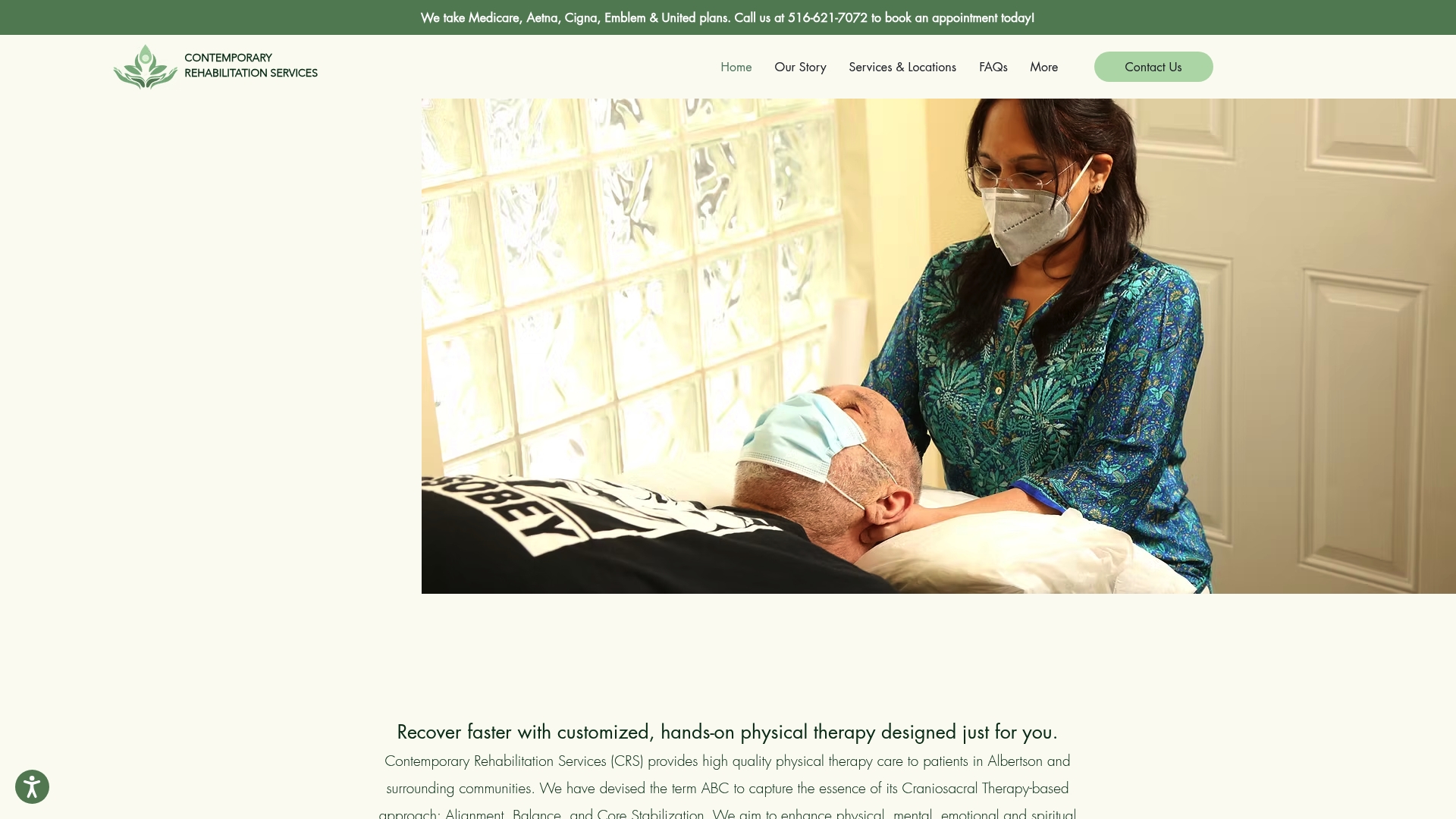
Whether you are managing chronic pain, recovering from an injury, or simply want to move better, Contemporaryrehabservices offers personalized, evidence-based care built around your specific needs. You can learn more about services in Albertson or explore the Searingtown location to find the clinic closest to you. Schedule a consultation and find out what PT can actually do for you.
FAQ
Does physical therapy require a doctor’s referral?
No. As of 2025, all U.S. states allow some form of direct access to physical therapy, meaning you can schedule an appointment without a physician’s order. However, some insurance plans still require a referral for reimbursement, so verify your specific policy before your first visit.
Is physical therapy covered by Medicare and private insurance?
Yes. Medicare and most major private insurers, including Aetna, Cigna, Emblem Health, and UnitedHealthcare, cover physical therapy when it is medically necessary. The number of covered visits and your out-of-pocket costs depend on your specific plan.
How long does it take to see results from physical therapy?
Results vary by condition and individual, but research shows that pain improvement for chronic low back pain typically occurs over weeks to months of consistent therapy. Pain relief often comes before full functional restoration, so completing your full program matters.
Is physical therapy only for musculoskeletal problems?
No. Physical therapists treat neurological conditions, cardiovascular and pulmonary disorders, balance and vestibular problems, and pelvic floor dysfunction, in addition to the musculoskeletal conditions most people associate with PT.
Will physical therapy hurt?
Some muscle soreness between sessions is normal and reflects healthy adaptation. Your therapist designs your program to avoid harmful pain, and you should always communicate any sharp, joint, or worsening pain during or after sessions so your program can be adjusted.
Recommended
Comments