
What Is Balance Training and Why It Matters
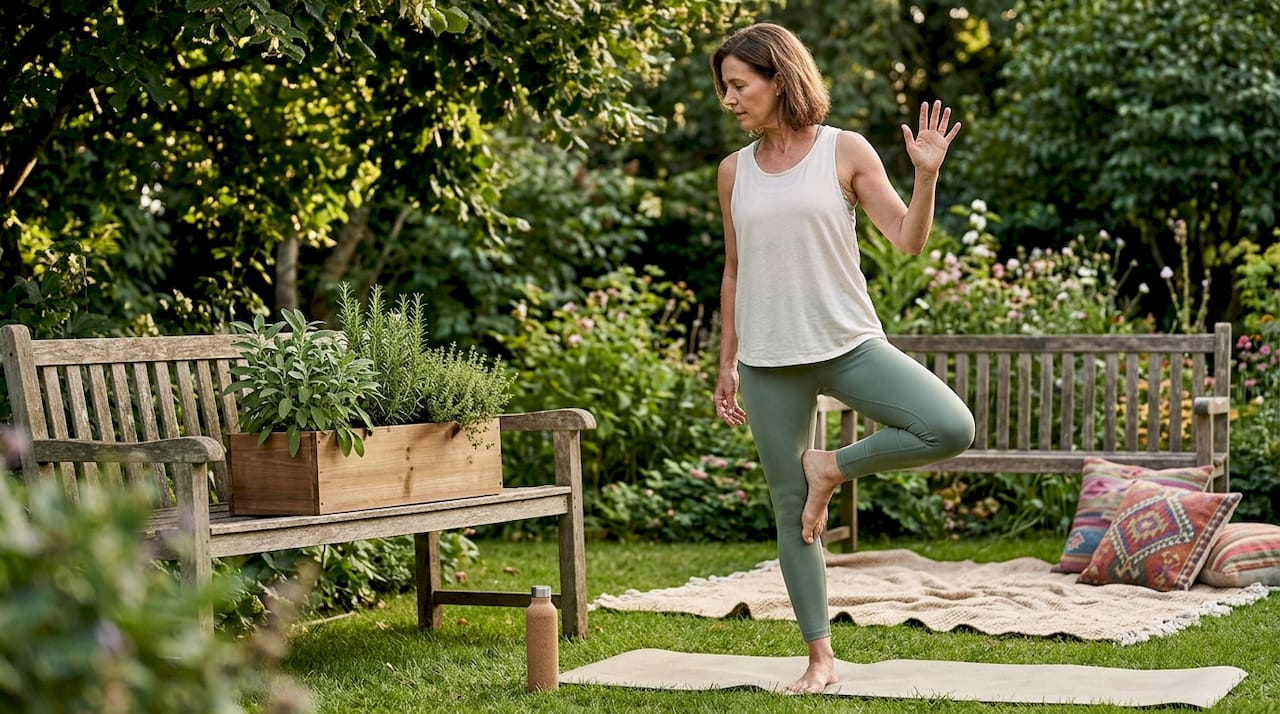
Balance training gets overlooked far more than it should. Most people associate it with elderly fall prevention or yoga classes, but understanding what is balance training reveals something much more significant. It is a structured approach to improving your body’s ability to control its position, whether you are standing still or moving through space. It draws on your muscles, your nervous system, and your senses working together. Done consistently, it protects you from injury, sharpens athletic performance, and helps you move with confidence at every stage of life.
Table of Contents
Key takeaways
Point | Details |
Balance is a sensory process | Your brain, eyes, inner ear, and muscles all coordinate to keep you stable. |
Consistency beats intensity | Short, frequent sessions produce better neurological adaptation than occasional hard workouts. |
All ages benefit | From athletes to older adults, balance training reduces injury risk and improves functional movement. |
Variety is non-negotiable | Training in different contexts and environments produces better real-world stability gains. |
Professional guidance accelerates results | A physical therapist can design a program matched to your specific needs and fitness level. |
What is balance training, exactly
At its core, balance training is any exercise or activity specifically designed to challenge and improve your ability to maintain a controlled body position. That sounds straightforward, but what happens inside your body is far more sophisticated than simply “not falling over.”
Balance relies on three sensory systems working in concert: proprioception, the vestibular system, and your vision. Proprioception is your body’s internal awareness of where your limbs are in space. The vestibular system, located in your inner ear, detects head movement and helps maintain orientation. Vision fills in the gaps when the other two systems are uncertain. Balance training teaches all three systems to communicate faster and more reliably.
This is fundamentally different from strength or endurance training. You can have strong legs and still struggle on uneven ground because strength alone does not train the neurological pathways that coordinate movement. Balance training builds that coordination directly.
There are two primary categories to understand:
Static balance is the ability to hold a position without moving, such as standing on one foot or holding a yoga pose.
Dynamic balance is stability during movement, like walking on an uneven surface, catching yourself after a stumble, or changing direction while running.
Both matter. Static balance builds foundational control, and dynamic balance translates that control into real-life movement. A solid body alignment foundation makes both forms of balance training more effective from the start.
Pro Tip: If you feel shaky during single-leg standing exercises, try fixing your gaze on a stationary object at eye level. Giving your visual system a clear reference point immediately improves stability.
Benefits of balance training
The benefits of balance training extend far beyond preventing a trip on the sidewalk. Research consistently shows that it plays a meaningful role in fall prevention, athletic performance, rehabilitation, and even mental health.
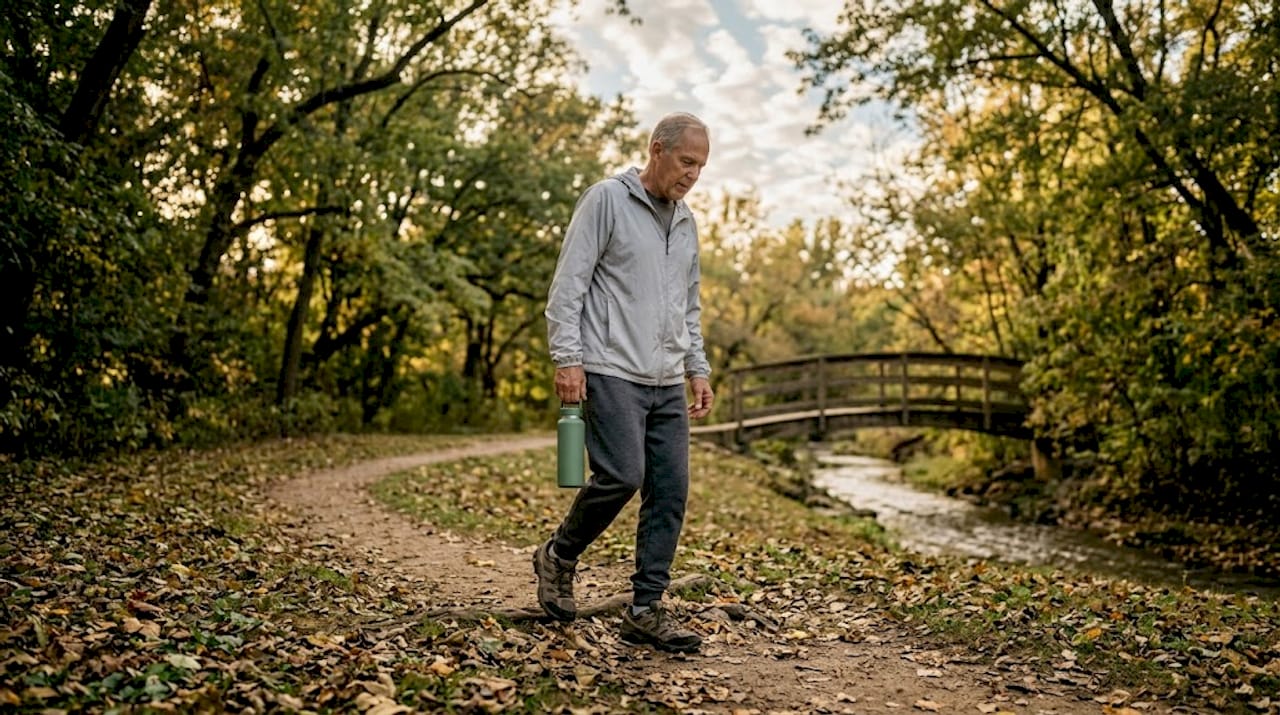
Fall prevention is the most documented benefit, particularly for older adults. Women aged 65 to 70 who engage in at least 150 minutes of moderate-intensity activity per week reduce their risk of injurious falls by about 30%. That is a substantial reduction achieved through consistent, moderate effort. And it is not limited to formal exercise. Practices like tai chi, which naturally challenge dynamic balance, reduce fall risk by approximately 24% in older adults.
For athletes and active adults, the gains show up differently. Better balance means faster reaction time, cleaner technique, and more efficient energy use during sport. A basketball player who can recover from an awkward landing without spraining an ankle is benefiting from trained dynamic balance. So is a runner who can handle a suddenly uneven trail.
Here is a quick summary of the core benefits across age groups:
Injury prevention through improved neuromuscular reaction time
Greater confidence in daily movement, including stairs, curbs, and uneven surfaces
Faster rehabilitation after ankle sprains, knee injuries, or surgery
Reduced joint stress when muscles coordinate more effectively
Neurological benefits, including sharper sensorimotor function linked to cognitive health in older adults
Resistance training complements these gains by strengthening the muscles that support postural control, making balance training and strength work a natural pairing rather than competing priorities.
How to improve balance with effective exercises
Knowing what exercises to do, how often, and in what order makes the difference between steady progress and spinning your wheels. Here is a practical framework to follow.
Starting with the basics
Begin with exercises that challenge your stability without putting you at risk. These three are excellent entry points:
Single-leg stand: Stand on one foot for 20 to 30 seconds. Hold near a wall or counter if needed. Progress by closing your eyes or standing on a folded towel.
Heel-to-toe walk: Walk in a straight line placing the heel of one foot directly in front of the toes of the other. This trains dynamic balance in a low-risk format.
Weight shifting: Stand with feet shoulder-width apart and slowly shift your weight from one foot to the other. Simple, but it directly activates the stabilizing muscles and sensory pathways.
Building a sustainable routine
Effective balance sessions for young adults typically include about four exercises per session, with two sets each held for 21 to 40 seconds. For most people, 2 to 3 weekly sessions of 15 to 60 minutes produces measurable improvements in stability and strength within 8 to 12 weeks. Consistency over that period matters more than any single workout.
Training level | Frequency | Session length | Example exercises |
Beginner | 2x per week | 15 to 20 minutes | Single-leg stand, heel-to-toe walk |
Intermediate | 3x per week | 25 to 35 minutes | Balance board, tandem stance with arm movement |
Advanced | 3x per week | 35 to 45 minutes | Single-leg deadlift, foam pad perturbation drills |
Safety considerations
Footwear matters more than most people realize. Half of adults over 70 who fell at home were barefoot or wearing slippers, and their injuries were more severe. Wear supportive shoes with good traction during balance exercises, especially if you are working near hard flooring. Practice near a wall or stable surface until you are confident in your ability to self-correct.
Pro Tip: Add balance challenges to activities you already do. Stand on one foot while brushing your teeth, or try a tandem stance while waiting for coffee to brew. Daily micro-doses of balance work add up quickly and require no extra time.
Learning to do physical therapy exercises safely at home can help you build these habits confidently between professional sessions.
Types of balance training
Understanding the different types of balance training helps you pick the right tools for your goals and avoid wasting time on approaches that do not transfer to real life.
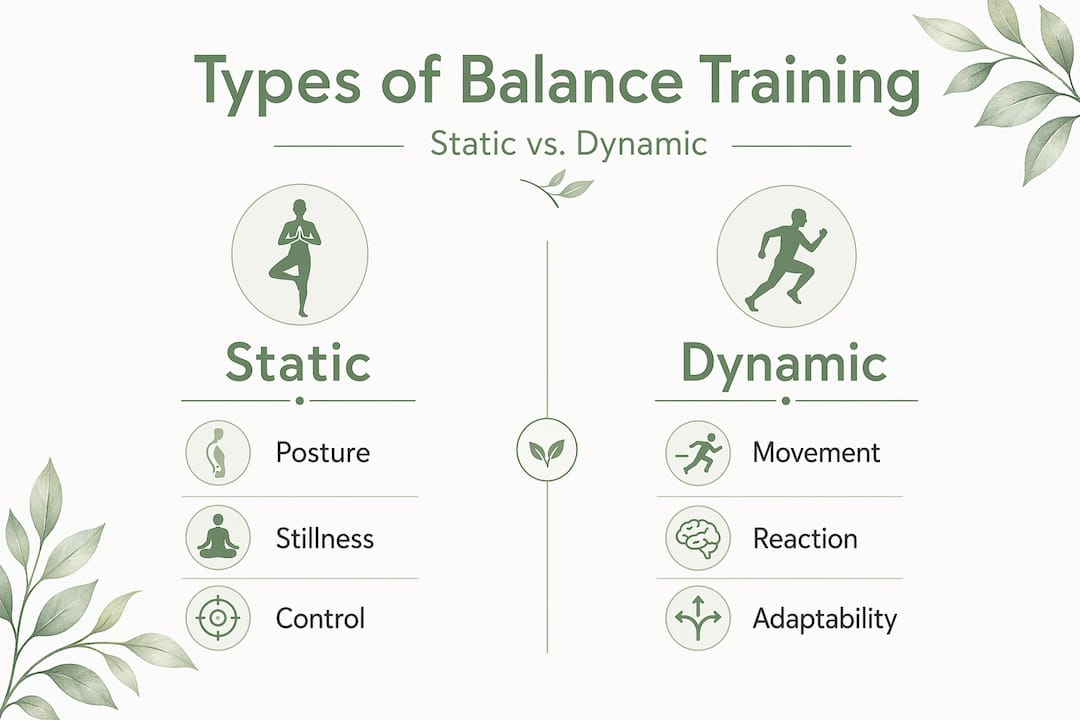
Balance is highly task-specific, meaning that getting better at standing on a balance board does not automatically make you more stable on a hiking trail. That is why variety in your training context is non-negotiable. Your nervous system needs to encounter different challenges to build adaptable stability.
Here is how the main types break down:
Static balance training: Exercises like single-leg stands, tree pose, or standing on a foam pad. Best for building foundational stability and body awareness.
Dynamic balance training: Walking drills, lateral shuffles, reactive stepping. This is where balance translates to sport, daily movement, and fall recovery.
Perturbation training: Unexpected disruptions to your base of support, such as a therapist gently pushing you or stepping onto a balance board mid-movement. This trains the fastest reflexive response your nervous system has.
Technology-aided training: Wearable devices and balance platforms with biofeedback. Wearable device-based exercise significantly improves lower limb strength and balance in older adults, according to recent meta-analysis data.
Type | Primary benefit | Best for |
Static balance | Foundational stability and posture | Beginners, post-injury rehab |
Dynamic balance | Real-world movement control | Athletes, active adults |
Perturbation training | Reactive fall prevention | Older adults, high-risk populations |
Technology-aided | Objective feedback and motivation | All levels, especially seniors |
Task-specific and context-varied training consistently produces better functional outcomes than repetitive static exercises alone. Mix the types, change the surface, and vary the demands.
Common mistakes and how to avoid them
Even motivated people make errors in balance training that slow their progress or increase their injury risk. Knowing what to watch for saves you a lot of frustration.
The biggest mistake is confusing intensity with effectiveness. Short, frequent sessions like 2 to 3 minutes of practice daily outperform infrequent, intense workouts for building long-term neurological adaptation. Balance is a skill, and skills improve through repetition, not exhaustion.
Other common pitfalls include:
Progressing too quickly: Jumping to unstable surfaces before mastering basic ground-level exercises invites injury and discouragement.
Training only one type of balance: Doing only static exercises and skipping dynamic drills leaves real-world stability gaps.
Ignoring the environment: Always train near a wall or sturdy surface, particularly when trying something new.
Skipping professional input: If you have had a recent fall, surgery, or ongoing instability, attempting to self-program without guidance can worsen the problem.
Pro Tip: Keep a simple log of your balance exercises. Note what feels shaky or uncomfortable. Progress happens gradually, and a log helps you recognize it, which keeps you motivated and consistent.
Balance training should start simple and progress gradually, particularly for older adults. There is no prize for rushing.
My honest take on balance training
I have worked with a lot of people who came to balance training late, usually after a fall or a close call. What I have learned is that the people who make the most lasting progress are almost never the ones who push hardest. They are the ones who show up consistently and practice in conditions that actually resemble their real life.
The biggest oversight I see is ignoring the environment. A gym floor is smooth, level, and predictable. Your driveway is not. Your garden is not. Your grandkids’ toys on the living room floor definitely are not. If you only train in perfect conditions, your nervous system only gets good at perfect conditions.
I have also seen footwear choices derail real effort. Someone does three weeks of solid balance work and then trips in unsupportive sandals because they never thought to connect the two. The research on this is clear, and the fix is simple.
My genuine advice: treat balance training like brushing your teeth. Brief, daily, and non-negotiable. You will feel the difference within a few weeks, and the long-term protection it builds is worth far more than any single gym session.
— Tj
Start your balance training with expert support
If you are ready to take your stability seriously, the right guidance makes a meaningful difference. At Contemporaryrehabservices, our physical therapists design personalized balance programs that match your fitness level, health history, and goals. Whether you are recovering from an injury, managing a health condition, or simply want to move with more confidence, we meet you exactly where you are.
We serve patients throughout Queens and Nassau County from our Albertson, NY location, and we accept Medicare, Aetna, Cigna, Emblem, and United Healthcare plans. Explore our physical therapy services to see how we can support your recovery and long-term wellness. You can also visit our Herricks clinic or our Roslyn location for specialized balance and mobility care close to home. Reach out today to schedule your evaluation.
FAQ
What is balance training in simple terms?
Balance training is a form of exercise designed to improve your body’s ability to maintain a stable, controlled position. It works by training the nervous system, muscles, and sensory systems to coordinate more effectively.
How often should I do balance training exercises?
Research supports 2 to 3 sessions per week lasting 15 to 60 minutes, with consistent results appearing within 8 to 12 weeks. Short daily practice also builds strong neurological adaptation.
What are the best balance training exercises for seniors?
Single-leg stands, heel-to-toe walks, and chair-supported weight shifts are excellent starting points for balance training for seniors. Tai chi is also well-supported by research, reducing fall risk by about 24% in older adults.
Can balance training help after an injury?
Yes. Balance training is a core component of rehabilitation after ankle sprains, knee surgery, and other musculoskeletal injuries. A physical therapist in rehabilitation can design a program that safely rebuilds stability alongside strength.
Does footwear affect balance training?
Absolutely. Supportive shoes with good traction reduce fall risk during training and daily activity. Half of older adults who fell at home were barefoot or in slippers, with higher rates of serious injury as a result.
Recommended
Comments