
The Role of PT in Chronic Disease Management

Physical therapy is defined as a clinical intervention that reduces pain, restores movement, and improves long-term function in people living with chronic disease. The role of PT in chronic disease extends well beyond simple exercise instruction. Physical therapists use evidence-based methods, including therapeutic exercise, manual therapy, and pain neuroscience education, to address the physical, psychological, and behavioral dimensions of conditions like heart disease, diabetes, arthritis, and neurological disorders. The American Physical Therapy Association (APTA) recognizes physical therapy as a frontline treatment for chronic illness, and clinical guidelines consistently support its use for improving quality of life and reducing healthcare costs.
How does physical therapy address pain and mobility in chronic illness?
Physical therapy directly targets the two most disabling features of chronic disease: pain and limited movement. Physical therapy improves pain and function for 68%–72% of patients, with 40%–50% pain reduction in musculoskeletal conditions within 4–6 weeks. That level of improvement rivals many pharmaceutical interventions, without the side effects.
Therapeutic exercise is the foundation of this approach. Strengthening the muscles around a damaged joint reduces mechanical stress and interrupts the pain cycle. For patients with knee osteoarthritis, for example, integrated hip, knee, and core training produces better long-term functional gains than passive treatments like heat or ultrasound alone. Therapeutic exercise for neuromuscular control is superior to passive modalities for chronic pain and joint dysfunction.

Many people with chronic pain develop kinesiophobia, which is a fear of movement based on the belief that activity will cause injury. Physical therapists address this directly by guiding patients through safe, progressive movement challenges that rebuild confidence. Patients rebuild movement confidence gradually, with therapist support, which is a process that breaks the fear-avoidance cycle driving much of chronic disability.
Starting therapy early also changes the financial picture. Early therapy reduces surgery risk by 53% and cuts healthcare costs by 44%. For anyone managing a long-term condition, that is a compelling reason to prioritize physical rehabilitation strategies from the start rather than waiting for symptoms to worsen.
Manual therapy: Hands-on joint mobilization and soft tissue techniques reduce stiffness and restore range of motion.
Neuromuscular training: Exercises that retrain how the nervous system controls movement, improving balance and coordination.
Progressive loading: Gradually increasing exercise intensity to build tissue tolerance without triggering flare-ups.
Mobility exercises: Targeted stretching and movement drills that maintain or restore functional range of motion.
Pro Tip: Ask your physical therapist to explain the purpose of each exercise. Understanding why you are doing a movement increases adherence and helps you perform it correctly at home.
What psychological benefits does PT provide in chronic disease management?
Physical therapy does more than move muscles. It changes how patients think about their bodies and their capacity to heal. PT reduces depression and anxiety and improves sleep quality, enhancing long-term quality of life in chronic disease. That psychological shift is often what separates patients who recover function from those who remain disabled.
Pain neuroscience education (PNE) is a core tool in modern physical therapy. PNE teaches patients how the nervous system processes pain signals, which reduces the threat value of pain and decreases fear-driven avoidance. Pain neuroscience education reduces kinesiophobia and improves therapy adherence, making it a standard component of evidence-based chronic disease care. When patients understand that pain does not always mean damage, they engage more fully with their rehabilitation.
Behavior change techniques are equally important. Physical therapists use goal-setting, self-monitoring, and motivational strategies to help patients build sustainable activity habits. Physical activity interventions combining behavior change techniques yield better outcomes in neurological populations, with meta-analyses showing small to moderate effect sizes on sustained physical activity levels. That sustained activity is what prevents relapse and maintains the gains made in formal therapy.
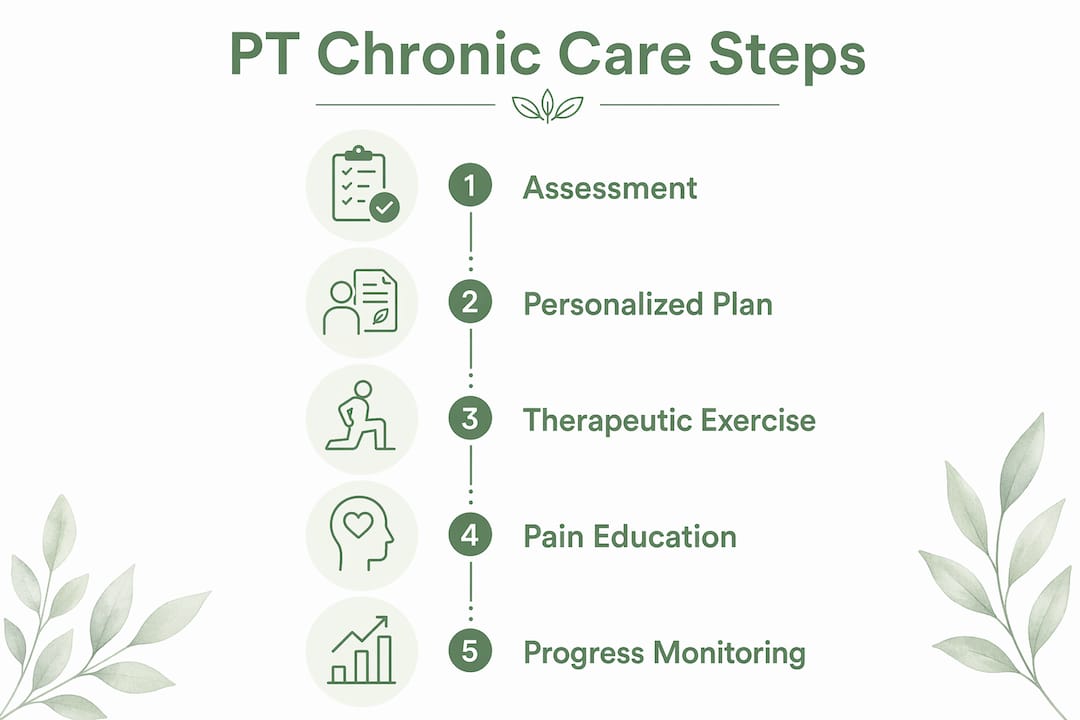
The sequence below reflects how physical therapy builds psychological resilience alongside physical recovery:
Education first: Therapists explain the science of pain and movement to reduce fear before introducing exercise.
Small wins early: Initial sessions focus on achievable movements that build confidence and positive associations with activity.
Self-monitoring tools: Patients track symptoms and activity levels, which increases their sense of control over the condition.
Gradual independence: Therapists progressively shift responsibility to the patient, building self-regulation skills for long-term management.
Relapse planning: Patients learn what to do if symptoms flare, reducing panic and preventing complete deconditioning.
“Following APTA clinical guidelines leads to a 23% faster return to functional activities, and the psychological components of those guidelines, including education and behavioral support, are as critical as the physical exercises themselves.”
What are evidence-based physical rehabilitation strategies for chronic conditions?
Evidence-based physical rehabilitation strategies vary by condition, but they share a common structure: active patient participation, progressive exercise prescription, and a shift away from passive treatments. The table below outlines how therapy is adapted for four major chronic disease categories.
Chronic condition | Primary PT approach | Key focus |
Cardiovascular disease | Cardiopulmonary exercise training | Graded aerobic conditioning guided by Cardiopulmonary Exercise Testing |
Type 2 diabetes | Resistance and aerobic exercise combined | Blood glucose regulation and neuropathy management |
Osteoarthritis | Strength and neuromuscular training | Joint load reduction and functional mobility |
Neurological conditions | Task-specific and motor learning exercises | Retraining movement patterns and improving balance |
Exercise training in cardiovascular and metabolic disease reduces mortality, hospitalizations, and cardiovascular events. Cardiopulmonary Exercise Testing guides safe, personalized exercise prescriptions, which means patients exercise at the right intensity rather than guessing. That precision matters because both under-exercise and over-exercise produce poor outcomes in this population.
For neurological conditions, motor learning principles shape the therapy design. A controlled error rate during neurorehabilitation actually facilitates motor learning, meaning patients do not need to perform exercises perfectly to benefit. This finding is practically important because it reduces the pressure patients feel and encourages them to attempt more challenging movements. Physical therapists working with stroke or Parkinson’s disease patients use this principle to design sessions that are challenging but not discouraging.
The shift from passive to active treatment models is the defining trend in modern physical therapy for chronic illness. Long-term success requires active patient engagement rather than reliance on passive modalities. Patients who take ownership of their exercise programs maintain gains longer and require fewer return visits. This is not a cost-cutting measure. It is a clinical finding backed by consistent evidence.
Pro Tip: If your current therapy plan consists mostly of heat packs, electrical stimulation, or massage without any active exercise component, ask your therapist about adding progressive strengthening or movement training to your sessions.
How can you integrate physical therapy into your chronic disease care?
Integrating physical therapy into chronic disease care requires more than attending sessions. It requires a deliberate approach to timing, collaboration, and long-term habit formation. The steps below give you a practical framework.
Start early. Early therapy initiation produces the largest reductions in surgery risk and healthcare costs. Do not wait for symptoms to become severe before seeking a referral.
Communicate with your full care team. Share your PT goals with your primary care physician, cardiologist, or specialist. Coordinated care produces better outcomes than siloed treatment.
Stick to your home program. The exercises your therapist assigns between sessions are not optional extras. They are the mechanism through which lasting change occurs.
Track your progress. Use a simple journal or app to record pain levels, activity duration, and functional milestones. Visible progress sustains motivation.
Choose a qualified therapist. Look for a licensed physical therapist with experience in your specific condition. Specializations in orthopedics, neurology, or cardiopulmonary rehabilitation indicate focused training.
Plan for the long term. Promoting physical activity requires addressing motivation, personal preferences, and barriers using patient-centered approaches. Work with your therapist to design a maintenance program you will actually follow after formal treatment ends.
Adhering to structured physical therapy reduces opioid use by up to 91% and is 50% more cost-effective than surgery-first approaches. Patient satisfaction rates exceed 86% after completing therapy. Those numbers reflect what happens when patients commit fully to the process.
Physical therapy also extends its reach beyond physical function. PT for chronic disease addresses cognitive health, sleep quality, and nutritional behavior as part of a complete management approach. Asking your therapist about these dimensions of care opens the door to a more complete recovery.
Key Takeaways
Physical therapy is the most evidence-supported non-surgical intervention for reducing pain, restoring mobility, and improving quality of life across the full spectrum of chronic disease.
Point | Details |
Early therapy saves money and function | Starting PT early reduces surgery risk by 53% and cuts healthcare costs by 44%. |
Active exercise outperforms passive treatment | Therapeutic exercise and neuromuscular training produce better long-term outcomes than passive modalities. |
Psychology is part of the treatment | Pain neuroscience education and behavior change techniques improve adherence and reduce fear of movement. |
Opioid use drops with structured PT | Adhering to a structured PT program reduces opioid use by up to 91%. |
Personalization drives results | Exercise prescriptions must be adapted to the specific chronic condition, using tools like Cardiopulmonary Exercise Testing for safety. |
What I have learned from watching patients reclaim their lives
The gap between what patients expect from physical therapy and what it actually delivers is real, and it runs in both directions. Some patients arrive expecting a passive experience, a massage and some heat, and leave frustrated when they are asked to work hard. Others arrive convinced nothing will help, only to find that consistent, guided movement changes everything within weeks.
The patients who benefit most share one trait: they treat their home exercise program as non-negotiable. The clinic sessions matter, but the daily repetitions done at home are where the real adaptation happens. I have seen patients with advanced arthritis regain the ability to climb stairs. I have seen people with chronic back pain return to gardening, hiking, and playing with their grandchildren. None of those outcomes came from passive treatment alone.
The uncomfortable truth is that physical therapy requires effort from the patient. It is not something done to you. It is something you do, with expert guidance. The therapist designs the program, monitors your progress, and adjusts the plan. You do the work. When that partnership functions well, the results are consistent and lasting.
If you are managing a chronic condition and have not yet explored evidence-based physical therapy, the research strongly supports starting sooner rather than later. The window for maximum benefit is open right now.
— Tj
Physical therapy for chronic disease at Contemporaryrehabservices
Contemporaryrehabservices is a boutique physical therapy clinic serving Albertson, NY, and the surrounding Queens and Nassau County communities. The clinic accepts Medicare, Aetna, Cigna, Emblem, and United Healthcare plans, making specialized care accessible to a wide range of patients managing chronic conditions.
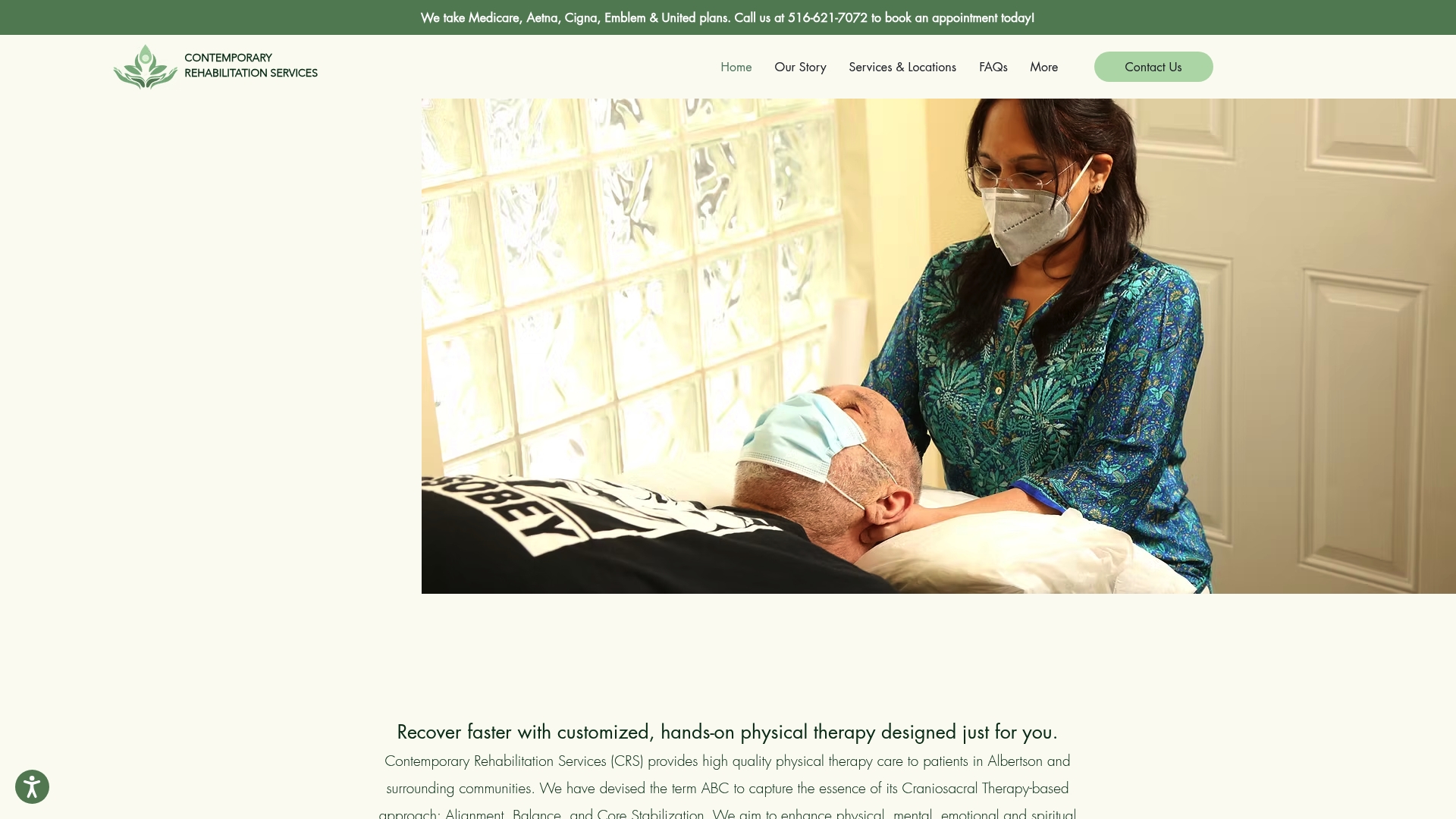
The clinical team at Contemporaryrehabservices designs personalized programs for patients with cardiovascular disease, diabetes, arthritis, neurological conditions, and chronic musculoskeletal pain. Every plan combines therapeutic exercise and manual therapy with education and behavioral support, reflecting the full evidence-based model described throughout this article. Patients can access care at locations in Albertson and surrounding areas. To review the full range of available physical therapy services and take the first step toward a structured, personalized plan, visit the Contemporaryrehabservices website or call to schedule a consultation.
FAQ
What is the role of PT in chronic disease?
Physical therapy reduces pain, restores mobility, and improves psychological well-being in people with chronic conditions. It uses therapeutic exercise, manual therapy, and education to address the physical and behavioral dimensions of long-term illness.
How quickly does physical therapy reduce chronic pain?
Clinical evidence shows 40%–50% pain reduction in musculoskeletal conditions within 4–6 weeks of structured physical therapy. Results vary by condition, severity, and patient adherence to the prescribed program.
Can physical therapy replace surgery for chronic conditions?
Starting physical therapy early reduces surgery risk by 53% and is 50% more cost-effective than surgery-first approaches. Many patients achieve sufficient functional improvement through PT to avoid surgical intervention entirely.
Does physical therapy help with anxiety and depression in chronic illness?
Physical therapy reduces depression and anxiety and improves sleep quality, as supported by APTA clinical guidelines. The psychological benefits come from both the physiological effects of exercise and the educational components of modern PT programs.
How do I find the right physical therapist for my chronic condition?
Look for a licensed physical therapist with documented experience in your specific condition, such as cardiopulmonary, neurological, or orthopedic rehabilitation. Clinics like Contemporaryrehabservices in Albertson, NY, offer condition-specific programs and accept major insurance plans including Medicare and Aetna.
Recommended
Comments