
A practical guide to common therapy techniques for pain relief
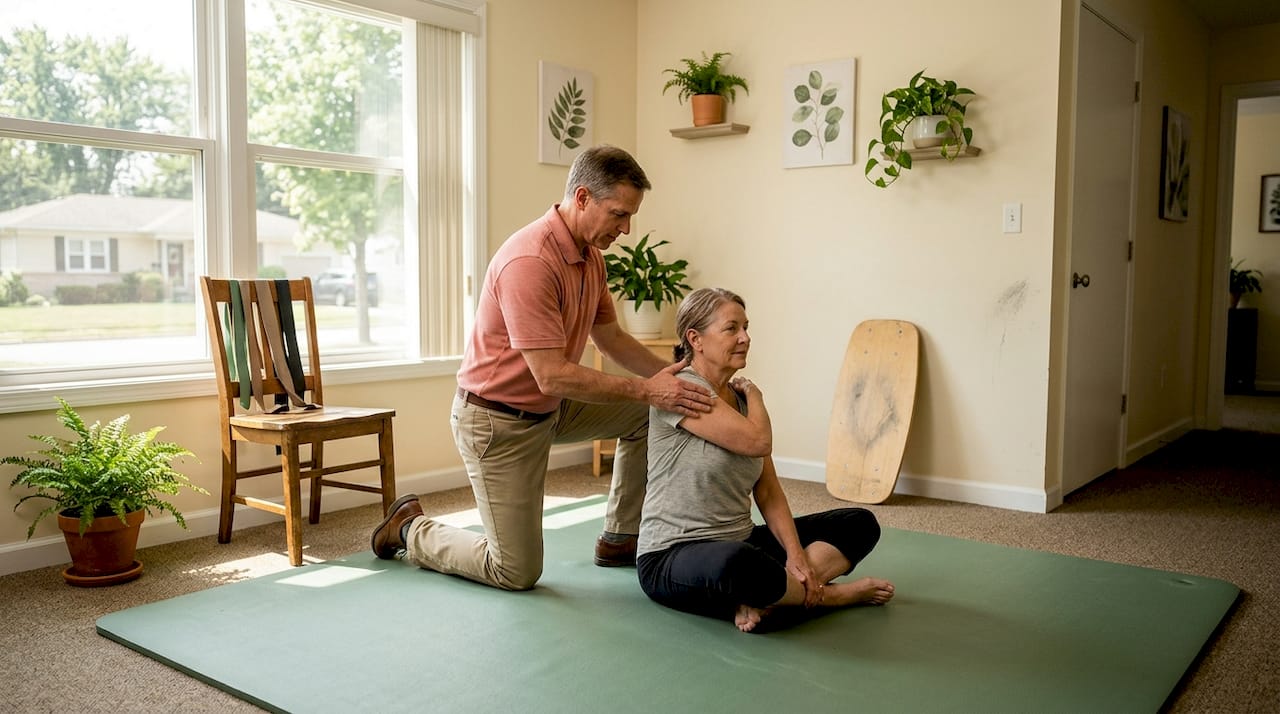
If you’re dealing with persistent pain or recovering from an injury, sorting through all the therapy options can feel genuinely overwhelming. Heat? Ice? Electrical stimulation? Manual therapy? Each technique sounds promising, but knowing which one fits your situation and what to actually expect during treatment makes a real difference in how confidently you move forward. This guide breaks down the most common physical therapy techniques used right here in Queens and Nassau County, so you walk into your next session with clarity, realistic expectations, and a better sense of how to advocate for yourself throughout the recovery process.
Table of Contents
Key Takeaways
Point | Details |
Therapy techniques clarified | Common physical therapy methods include heat, cold, electrical stimulation, manual therapy, and exercise, each with specific uses. |
Preparation matters | Arriving prepared—both mentally and physically—helps you get the most out of therapy sessions. |
Adapt to your needs | Therapists tailor techniques based on your progress, comfort, and safety considerations. |
Track your outcomes | Monitor your pain and function to judge progress and ensure effective, safe recovery. |
Understanding the basics: What are common therapy techniques?
Before getting into the details of how each technique works in practice, it helps to have a clear picture of the landscape. Physical therapists draw from a toolkit of well-established approaches, each with a specific purpose and a body of evidence behind it. The goal is always the same: reduce pain, restore movement, and help you get back to doing the things that matter to you.
Here is a quick overview of the core techniques you are most likely to encounter:
Technique | Primary use | Key benefit |
Heat therapy | Chronic pain, muscle tightness | Relaxes muscles, increases blood flow |
Cold therapy | Acute injuries, swelling | Reduces inflammation and acute pain |
Electrical stimulation (TENS, IFC, NMES) | Pain relief, muscle re-education | Blocks pain signals, reduces spasms |
Manual therapy | Joint stiffness, restricted movement | Restores mobility through hands-on techniques |
Therapeutic exercise | Strength, flexibility, function | Builds long-term resilience and stability |
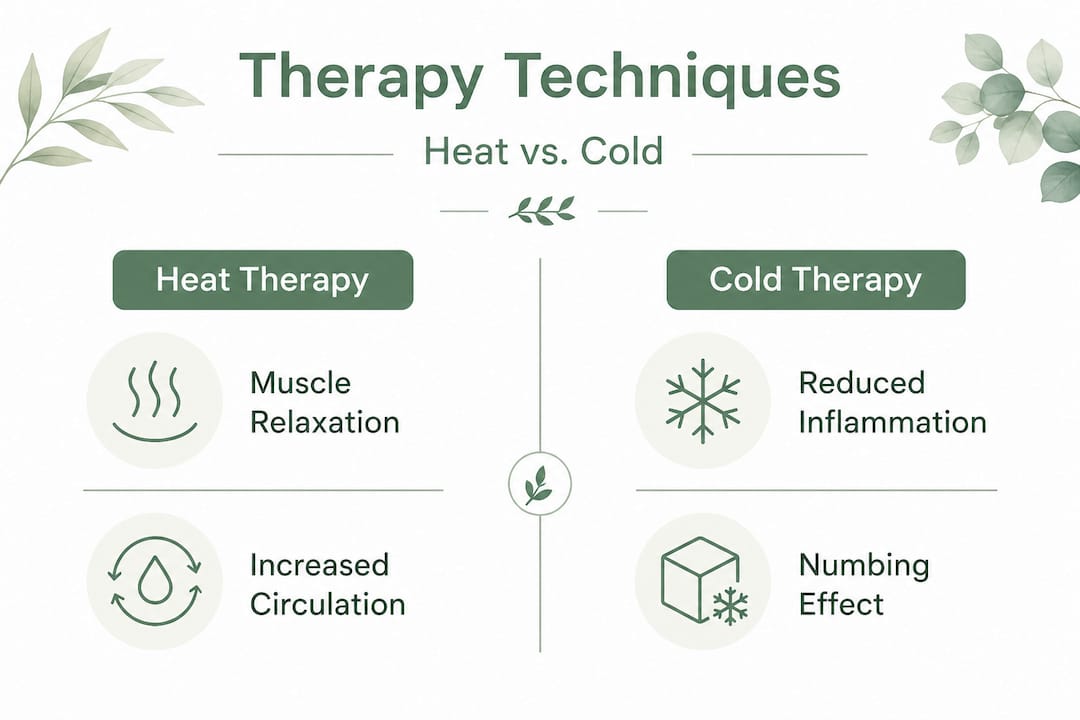
According to thermal modality research, heat therapy using hot packs or paraffin baths relaxes muscles, increases circulation, and improves tissue extensibility, while cold therapy using ice packs reduces inflammation, swelling, and acute pain. These two approaches seem simple, but choosing the wrong one at the wrong time can actually slow your recovery, which is why working with a trained therapist matters.
Electrical stimulation deserves special attention because it often surprises patients. Techniques like TENS (transcutaneous electrical nerve stimulation), IFC (interferential current), and NMES (neuromuscular electrical stimulation) are not as intimidating as they sound. Electrical stimulation modalities provide pain relief by blocking pain signals along nerve pathways, reducing muscle spasms, and helping with fluid or edema reduction. Many patients describe the sensation as a gentle tingling, not painful at all.
When are these techniques typically applied?
Acute injuries (0 to 72 hours): Cold therapy to manage inflammation; avoid heat during this window
Subacute phase (a few days to a few weeks): Gradual introduction of heat, gentle range-of-motion exercises
Chronic pain or long-term conditions: Heat, manual therapy, progressive exercise, and electrical stimulation as needed
Post-surgical rehabilitation: Guided physical therapy rehabilitation with a phased approach based on healing tissue
The evidence base for these techniques is strong and growing. These are not experimental approaches; they are standard-of-care tools used by physical therapists across clinical settings every day.
What you’ll need: Preparing for your therapy session
Once you understand the fundamentals, proper preparation makes your therapy safer and more effective. A lot of patients underestimate how much their own input shapes the outcome of treatment. Physical therapy is not something that happens to you; it is something you actively participate in.

Here is a comparison of what you typically need for different therapy types:
Therapy type | Clothing/gear | Other preparation | What to tell your therapist |
Heat/cold therapy | Comfortable, loose-fitting clothing | Stay hydrated; avoid empty stomach | Any skin sensitivity or numbness |
Electrical stimulation | Exposed skin access needed | No metal jewelry near treatment area | Pacemaker, implants, pregnancy |
Manual therapy | Shorts or tank top for access | Arrive relaxed; avoid strenuous exercise before | Areas of pain, recent changes in symptoms |
Therapeutic exercise | Athletic wear, supportive shoes | Light meal beforehand if needed | Fitness baseline, any balance concerns |
To prepare for your first or next therapy session, follow these steps:
Write down your symptoms before you arrive. Note where it hurts, what makes it better or worse, and how long you have had the problem. Your therapist will ask, and having specifics ready saves time and improves accuracy.
Set a goal. Think about what you want to be able to do again. Walking without pain? Sleeping through the night? Returning to a sport? Specific goals help your therapist design a more targeted plan.
Gather your paperwork and insurance information. If you have Medicare, Aetna, Cigna, Emblem, or United Healthcare, confirm your coverage so there are no surprises.
Dress for access. Wear clothing that allows your therapist to comfortably reach the area being treated. Tight jeans over a sore knee, for example, will limit what your therapist can assess.
Hydrate well the day before and morning of your appointment. Hydrated muscles respond better to manual therapy and exercise.
Evidence-based clinical guidelines consistently prioritize nonpharmacologic approaches like exercise and physical therapy for chronic pain, with patient preference, cost, and potential harm all factoring into which technique is selected when multiple options offer similar results. This means your input genuinely matters. A good therapist will ask about your preferences and adjust accordingly.
Pro Tip: Keep a small symptom diary for one week before your appointment. Jot down pain levels morning and evening, any activities that trigger flare-ups, and what gives you relief. This simple habit gives your therapist a clearer clinical picture and helps both of you identify patterns faster. Not sure when to see a physical therapist in the first place? That resource can help you decide.
Step-by-step: How the most common therapies work in practice
Preparation leads to positive outcomes. Now let’s look at what therapy actually looks like from the moment you walk in.
A typical session at a physical therapy clinic in Nassau County or Queens might unfold like this:
Check-in and brief assessment. Your therapist reviews your progress since the last session, notes any changes in symptoms, and adjusts the plan if needed. This is the most important few minutes of the session, so speak up honestly.
Warm-up or preparatory modality. Heat packs or light activity are often used to warm the tissue and improve flexibility before hands-on work. For acute flare-ups, cold may be applied first to calm inflammation.
Manual therapy or electrical stimulation. Your therapist may apply joint mobilization (gentle, controlled movements to restore joint motion), soft tissue massage, or electrical stimulation. Manual therapy combined with exercise shows short-term benefits for pain and disability in conditions like lower back pain across the majority of studies, though your therapist will help interpret what that means for your specific case.
Targeted therapeutic exercise. You will move through exercises designed for your condition, with your therapist cueing your form and adjusting resistance. This is where real functional gains happen over time.
Cool-down or finishing modality. Ice or electrical stimulation may be applied at the end to reduce any post-treatment soreness and reinforce the benefits of the session.
Home program review. Your therapist sends you home with specific exercises or self-care steps to continue progress between visits.
Collaborative communication is not optional; it is the engine that drives results. If something hurts in a way that feels wrong, say it immediately. If a technique feels like it is not helping, say that too. Your therapist uses your feedback to refine the approach in real time.
Important: Heat should never be applied to a fresh injury, open wound, or area of poor sensation. If you are uncertain, always default to ice for new pain and check with your therapist before applying heat at home. Some modalities, including certain forms of electrical stimulation, have specific contraindications. Review clinical guidelines for therapy from the American Physical Therapy Association for a broader overview.
Pro Tip: Ask your therapist to explain the rationale behind each technique they use. A confident therapist will welcome the question, and understanding why something is being done helps you comply with the plan more consistently. You can also explore evidence-based therapy for chronic pain or craniosacral therapy for pain relief to learn about additional approaches your therapist may recommend.
Troubleshooting, safety, and measuring your progress
After learning the process, it is crucial to know how to stay safe and track improvement. Physical therapy is generally very safe, but it is not passive. You play an active role in noticing what is working and what is not.
Warning signs to report to your therapist right away:
Pain that is significantly worse after a session and does not settle within 24 hours
New or spreading numbness, tingling, or weakness
Increased swelling around the treated area
Skin irritation, burns, or unusual redness after heat or electrical treatment
Dizziness, nausea, or feeling faint during exercise portions of your session
Any joint locking, giving way, or sudden instability
It is also worth knowing that certain modality contraindications exist across different treatment forms. For example, extracorporeal shockwave therapy is not appropriate for use over areas of active infection or during pregnancy. This is why a thorough intake process and ongoing communication are so important, especially for patients managing multiple health conditions.
How to track your progress between sessions:
Rate your pain on a simple 0 to 10 scale at the same time each day, ideally morning and evening
Note specific functional improvements: Can you climb stairs more easily? Reach overhead without wincing? Sleep on your side again?
Record how long you can walk, stand, or perform a specific activity before pain limits you
Track therapy for knee pain recovery or other condition-specific benchmarks your therapist gives you
Most patients begin noticing meaningful improvements in pain or mobility within four to six sessions, though this varies widely by condition and baseline. Consistency matters more than any single session. Showing up, doing your home exercises, and communicating openly all contribute more to your outcome than the specific modality used on any given day.
A simple pain and function diary does not need to be elaborate. A small notebook or even a notes app on your phone works perfectly. The act of writing it down forces you to pay attention to trends rather than just reacting to bad days.
Our perspective: The real keys to therapy success (and what most guides miss)
Most guides on physical therapy techniques focus almost entirely on the tools: heat versus cold, TENS versus manual therapy, exercise protocols. That information is genuinely useful. But after years of working with patients across Nassau County and Queens, we have seen something that no modality comparison chart captures: the quality of the relationship between you and your therapist drives outcomes far more than the technique itself.
Patients who ask questions, report honestly when something is not working, and show up consistently get better results. That is not just an anecdote; it reflects a broader truth in rehabilitation research. Technique choice matters within a range of what is evidence-based, but within that range, personalization and responsiveness make the real difference.
Here is what most articles will not tell you: one-size-fits-all protocols often miss the mark, not because the techniques are wrong, but because they were not matched precisely to the individual. Someone with chronic neck tightness from desk work needs a very different approach than someone recovering from rotator cuff surgery, even if both receive manual therapy and exercise. Expert-led therapy is defined not by the modalities available but by the clinical reasoning behind how and when they are applied.
We also want to be direct about something: passive treatments alone, where something is done to you while you lie still, will not produce lasting change. The electrical stimulation may reduce your pain in the clinic, but it is the exercise and the movement habit you build outside the clinic that creates durable recovery. Think of the modalities as tools that create the right conditions for exercise and healing. The exercise is the actual medicine.
The best therapy is a genuine partnership. You bring your symptoms, your goals, and your honest feedback. Your therapist brings clinical expertise, observation, and the flexibility to adapt. When that exchange is working well, even complex or long-standing pain conditions tend to respond.
Ready to take the next step? Find personalized therapy in Queens & Nassau County
You now have a solid foundation for understanding what physical therapy involves, how to prepare, what to expect during sessions, and how to track your own progress. That knowledge puts you in a much stronger position to get real results.
At our boutique physical therapy clinic in Albertson, NY, we work with patients across Nassau County and Queens to build individualized recovery plans that match your goals and your insurance coverage. We accept Medicare, Aetna, Cigna, Emblem Health, and United Healthcare, so access is simpler than you might think. Browse our therapy treatments to see the full range of approaches we use, or visit our Albertson location or Searingtown location page to find the clinic most convenient for you. Getting a professional assessment is the clearest next step toward real, lasting relief.
Frequently asked questions
What is the difference between heat and cold therapy?
Heat therapy relaxes muscles and improves blood flow for chronic tension and stiffness, while cold therapy reduces inflammation and swelling and is the better choice for new or acute injuries within the first 48 to 72 hours.
Are electrical stimulation therapies safe for everyone?
Electrical stimulation is broadly safe but does have specific contraindications, including active infections, pregnancy, and the presence of implanted devices like pacemakers, so always disclose your full health history before treatment begins.
How quickly will I see results from physical therapy?
Many patients notice some improvement in pain or movement within the first few sessions, but short-term benefits from manual therapy and exercise depend on your specific condition, and lasting results require consistent attendance and home program follow-through.
What should I do if my symptoms get worse during therapy?
Contact your therapist promptly if you experience a significant increase in pain, spreading numbness, tingling, or new swelling after a session, as your treatment plan may need to be adjusted to better match your current condition and tolerance.
Recommended
Comments